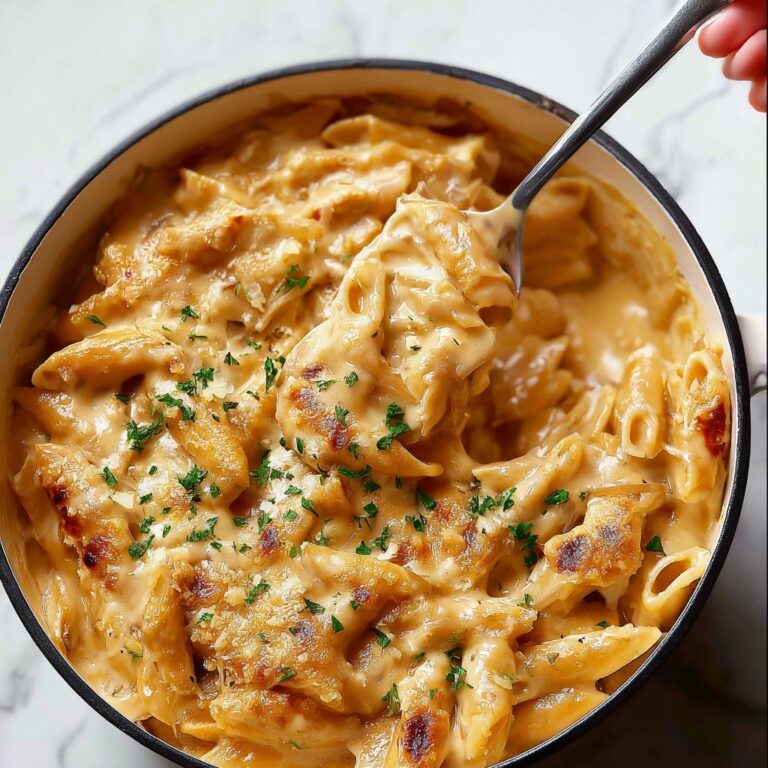
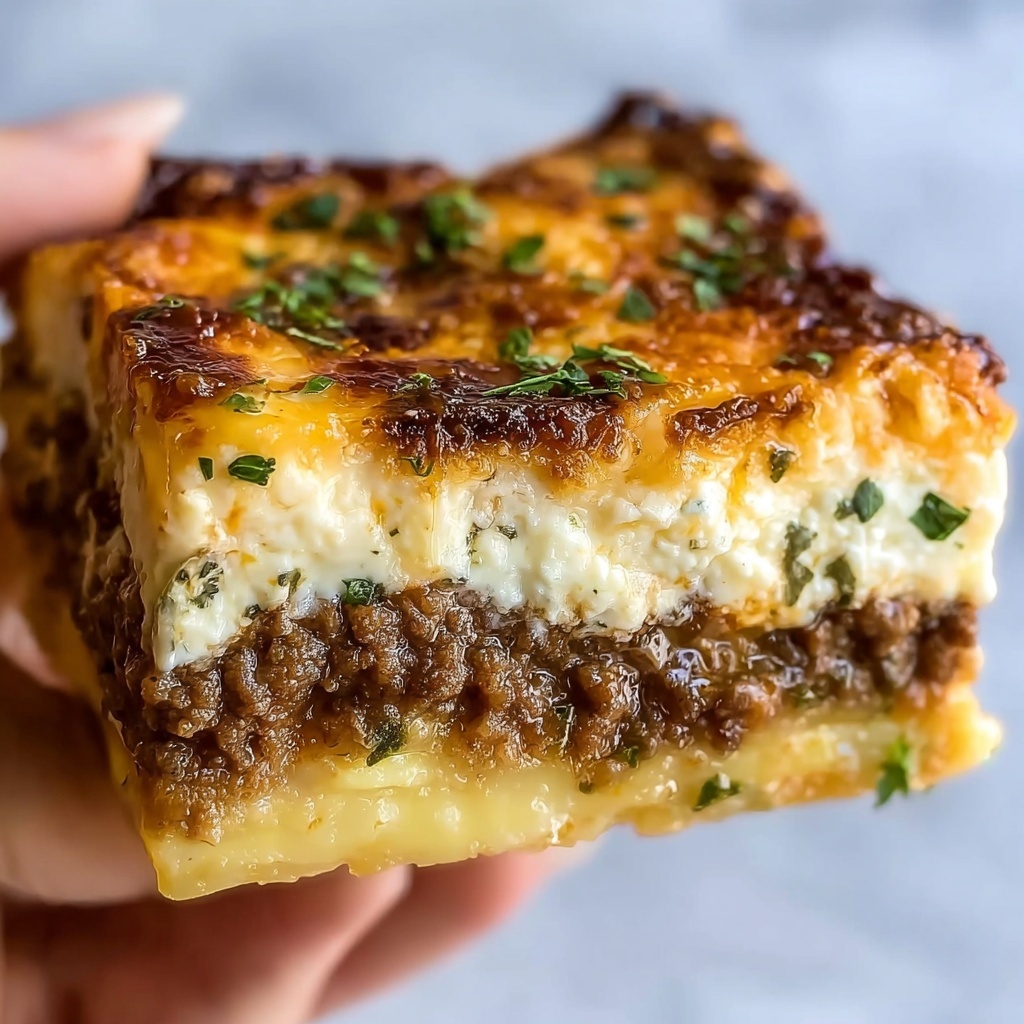
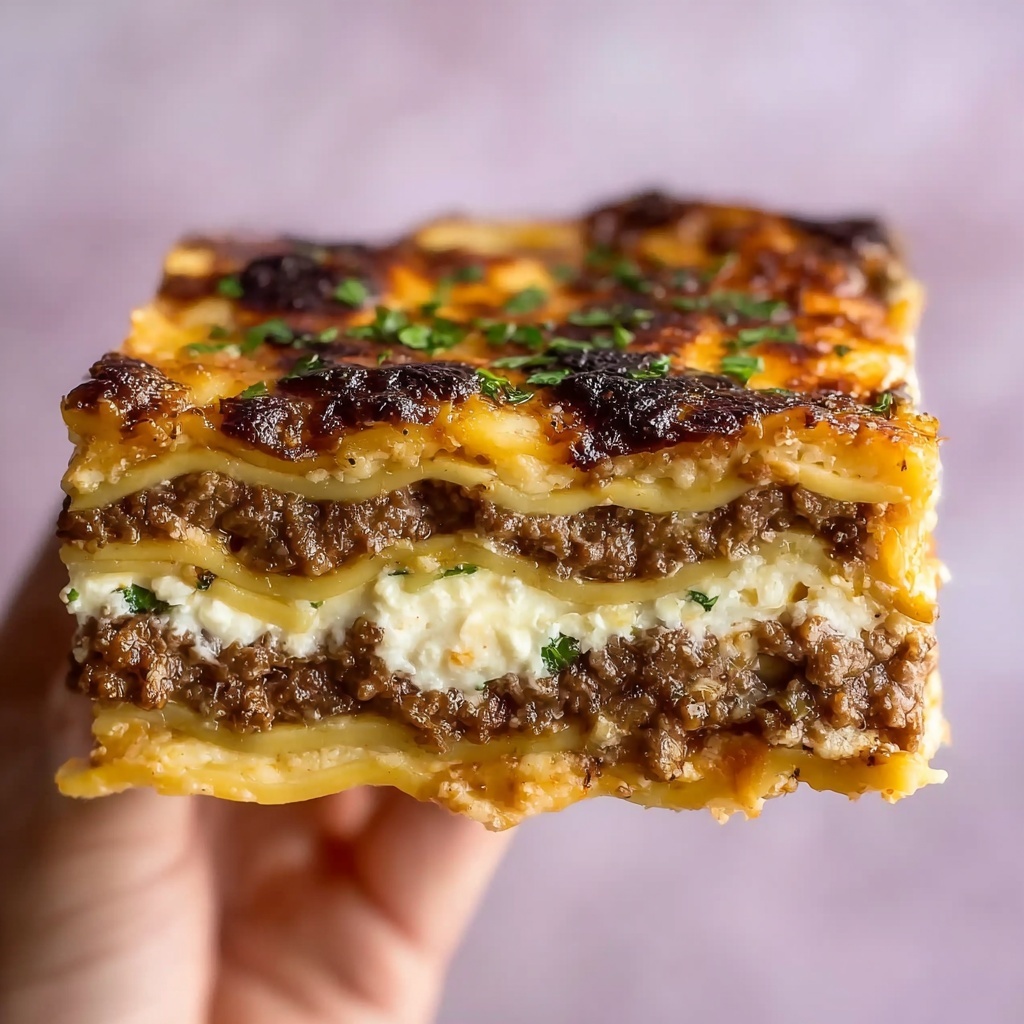
If you’ve ever dreamed of authentic Greek comfort food done to perfection, this Outrageously Delicious Greek Moussaka Recipe will make your culinary dreams come true. Layers of tender eggplant, zucchini, and creamy béchamel sauce combined with a rich, spiced beef ragu create a dish that’s both hearty and elegant. It’s the kind of meal that invites warm conversations around the table and leaves everyone asking for seconds. Whether you’re cooking for family or impressing friends, this recipe brings the heart of Greece right to your kitchen in the most flavorful way possible.
Ingredients You’ll Need
These ingredients may seem simple, but each one plays a vital role in building the deep, complex flavors and satisfying textures of this Outrageously Delicious Greek Moussaka Recipe. From fragrant herbs to creamy dairy, every item is essential in layering the perfect balance of taste and color.
- Olive Oil: The foundation for frying and adding that silky richness to vegetables.
- White Onion, finely diced: Provides sweetness and depth when browned gently.
- Garlic, finely diced: Adds an irresistible aroma and savory bite.
- Ground/Minced Beef (preferably lean): Brings a hearty base with a satisfying texture.
- Tomato Paste: Intensifies the meaty sauce with deep tomato flavor.
- Dry Red Wine: Adds acidity and richness, enhancing the sauce layers.
- Tomato Passata: Creates a smooth, luscious tomato sauce base.
- Beef Stock: Boosts savory depth and simmers to a beautiful thick consistency.
- Fresh Parsley: Brings brightness and freshness sprinkled throughout.
- Fresh Thyme Leaves: Adds an herbal nuance that pairs perfectly with meat.
- Bay Leaf: Infuses the sauce subtly with earthiness.
- Salt & Pepper: Essential for seasoning layers just right.
- Sugar: Balances acidity in the tomato sauce uniquely.
- Cinnamon: A signature warm note that makes this dish truly Greek.
- Unsalted Butter: The base for a dreamy, creamy béchamel sauce.
- Plain Flour: Thickens the béchamel gently to coat your spoon.
- Milk (room temperature): Creates that velvety white sauce foundation.
- Nutmeg: Adds a subtle warmth to the béchamel.
- White Pepper: For a mild peppery kick without dark specks.
- Freshly grated Pecorino Romano: Sharp, salty tang that melts beautifully into the sauce.
- Egg Yolks: Give the béchamel richness and a golden hue.
- Vegetable or Olive Oil: For frying the vegetable layers to golden perfection.
- Baking Potatoes: Provide a sturdy, comforting base layer.
- Zucchini/Courgettes: Offer a delicate flavor and pleasant texture contrast.
- Eggplants/Aubergines: The iconic star of the dish with their tender, silky bite.
- Extra Parsley & Pecorino: For sprinkling between layers and finishing touches.
How to Make Outrageously Delicious Greek Moussaka Recipe
Step 1: Creating the Beef Layer
Start by heating olive oil in a large pan over medium heat, where the magic begins with soft, golden onions and fragrant garlic. Adding the lean ground beef allows it to brown beautifully, forming the savory base. Tomato paste adds richness before you deglaze with red wine, infusing depth and complexity. Then pour in the passata and beef stock, and add your fresh herbs, cinnamon, bay leaf, and seasoning. Let everything gently simmer and thicken for about 30 minutes. This slow-cooked sauce is the savory heart of your Outrageously Delicious Greek Moussaka Recipe.
Step 2: Preparing the Veggie Layers
The secret to perfect moussaka lies in preparing the vegetables carefully. Layer the eggplant, zucchini, and potato slices between paper towels to draw out excess moisture—this step ensures they fry up crisp but tender rather than soggy. A little patience here pays off with a beautifully textured dish.
Step 3: Frying the Vegetables
Heat enough oil until sizzling gently and fry the potato slices first until tender and golden, then the zucchini slices, and finally the eggplants. This order is key to perfect texture and sealing in flavor. Once fried, drain them on paper towels to soak up any excess oil. These golden layers build the colorful, textural foundation of the dish.
Step 4: Making the Béchamel Sauce
Melt half a cup of butter and whisk in flour to make a smooth roux. Gradually add milk, whisking carefully to prevent lumps, until the sauce thickens into a creamy velvety texture that coats the back of a spoon. Season with salt, white pepper, and that nostalgic hint of nutmeg. Off the heat, stir in Pecorino Romano until smooth, then whisk in egg yolks to give the sauce richness and a gorgeous golden hue. Don’t forget to mix a little of this sauce into the beef just before assembling—that extra touch ties all the layers together.
Step 5: Assembling The Outrageously Delicious Greek Moussaka Recipe
Time to layer it up! Start with a layer of potatoes at the bottom of your baking dish. Sprinkle parsley, Pecorino, salt, and pepper, then add the zucchini with another sprinkle. Add half the eggplant slices, seasoning lightly, then spread the beef ragù evenly over the top. Cover with the remaining eggplant and pour the luscious béchamel sauce over everything, smoothing it out. A final sprinkle of Pecorino sets the stage for a golden, bubbling finish.
Step 6: Baking and Finishing
Bake your masterpiece at 180C/350F for 35 to 45 minutes, until the béchamel browns to a beautiful golden crust with light charring that adds a subtle smoky note. Let the moussaka rest for at least 15 minutes before slicing. This resting time helps it hold together and makes serving a dream. Your kitchen will be filled with inviting aromas that promise comfort and indulgence.
How to Serve Outrageously Delicious Greek Moussaka Recipe
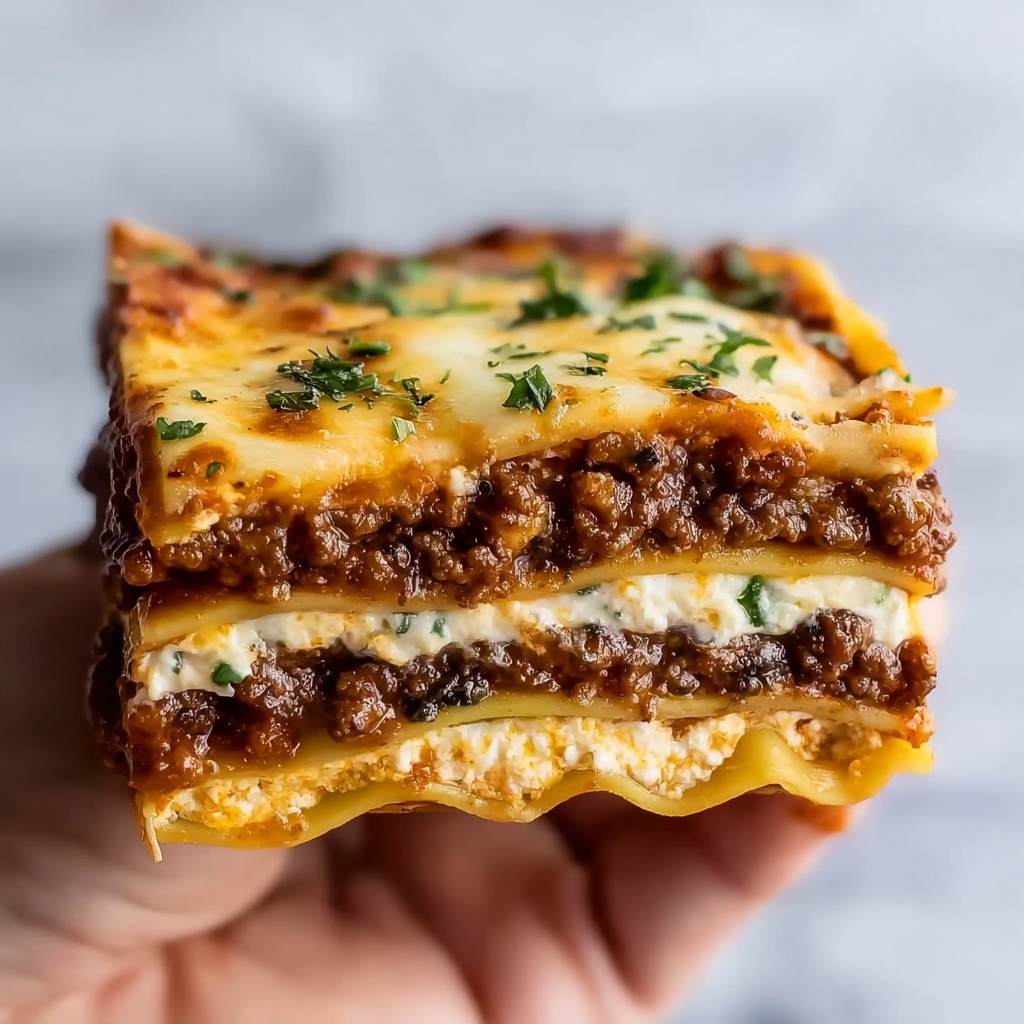
Garnishes
A sprinkle of fresh parsley and extra Pecorino Romano on top adds a vibrant pop of color and a burst of salty, tangy flavor that perfectly contrasts the creamy sauce. It’s that little touch that makes each bite feel fresh and exciting.
Side Dishes
This moussaka pairs beautifully with light, crisp salads to balance the richness. Try a simple Greek salad with ripe tomatoes, cucumbers, Kalamata olives, and feta dressed with lemon juice and olive oil. Crusty bread or a tangy tzatziki dip also make excellent accompaniments, rounding out an authentic Mediterranean experience.
Creative Ways to Present
For a special dinner, serve individual portions in small oven-safe dishes, allowing each guest their own perfect, golden-topped delight. Alternatively, pile generous slices onto warm plates and drizzle with a little extra virgin olive oil or a side of roasted red peppers for a colorful Mediterranean flourish. Presentation is part of the charm of this Outrageously Delicious Greek Moussaka Recipe!
Make Ahead and Storage
Storing Leftovers
After enjoying your moussaka, any leftovers store wonderfully in an airtight container in the fridge for up to 3 days. The flavors meld even more overnight, making it perfect for a quick meal that tastes even better the next day.
Freezing
This dish freezes beautifully when uncooked or after baking. To freeze, cover it tightly with foil or plastic wrap and place in the freezer for up to 2 months. When you’re ready, thaw in the fridge overnight before baking or reheating. It’s a fantastic way to have a taste of Greece on demand.
Reheating
Reheat moussaka gently in a preheated oven at 160C/320F until warmed through, usually about 20-25 minutes. This method keeps the topping golden and prevents the dish from drying out. Avoid microwaving if you want to preserve that perfect layered texture and crispy top.
FAQs
Can I make this recipe vegetarian?
Absolutely! Replace the ground beef with lentils, mushrooms, or a plant-based mince to maintain that hearty texture. Adjust seasonings accordingly, and you’ll still have an outrageously delicious Greek moussaka that sings with flavor.
Is frying the vegetables necessary?
Frying gives the vegetables a beautiful golden exterior and rich flavor, but for a lighter version, you can roast the slices in the oven until tender and lightly browned. Just be sure to drain excess moisture so your layers don’t get soggy.
What cheese can I substitute for Pecorino Romano?
If Pecorino Romano isn’t available, Parmesan works well too. For an authentic touch, Kefalotyri cheese is traditional, but Parmesan’s salty tang makes a great stand-in that melts beautifully.
How long does this moussaka keep in the fridge?
You can safely store leftovers for up to 3 days wrapped tightly in an airtight container. After that, it’s best to freeze or enjoy it quickly for optimal flavor and texture.
Can I prepare this dish ahead of time for a dinner party?
Definitely! You can assemble your moussaka a day before baking. Keep it covered in the fridge and bake it just before serving to enjoy that fresh-from-the-oven charm without stress.
Final Thoughts
There’s nothing quite like the joy of sharing an Outrageously Delicious Greek Moussaka Recipe with the people you love. Cozy, flavorful, and absolutely bursting with Mediterranean charm, it’s more than a meal—it’s an experience. So grab those ingredients, get cooking, and prepare to impress with every golden, glistening slice. Trust me, once you try this recipe, it’ll become a cherished favorite in your kitchen, too.
Print
Outrageously Delicious Greek Moussaka Recipe
- Prep Time: 30 minutes
- Cook Time: 1 hour 20 minutes
- Total Time: 1 hour 50 minutes
- Yield: 8 servings
- Category: Main Course
- Method: Frying and Baking
- Cuisine: Greek
Description
This Outrageously Delicious Greek Moussaka recipe features layers of tender fried potatoes, zucchini, and eggplants, combined with a rich, spiced ground beef tomato sauce and topped with a creamy béchamel sauce. A classic Mediterranean comfort dish perfect for family dinners, showcasing authentic Greek flavors with a luscious, golden baked finish.
Ingredients
Beef Sauce
- 1 tbsp Olive Oil
- 1 large White Onion, finely diced
- 2 cloves Garlic, finely diced
- 1.6lb / 750g Ground/Minced Beef (preferably fairly lean)
- 2 heaped tbsp Tomato Paste
- 1/2 cup / 120ml Dry Red Wine (or extra beef stock)
- 1 cup / 240ml Tomato Passata
- 1 cup / 240ml Beef Stock
- 1/4 cup finely diced Fresh Parsley, plus extra to serve
- 1 tbsp finely diced Fresh Thyme Leaves
- 2 small or 1 large Bay Leaf
- 3/4 tsp Salt, or to taste
- 1/2 tsp Sugar
- 1/2 tsp Cinnamon
- 1/4 tsp Black Pepper, or to taste
Béchamel Sauce
- 4oz / 120g Unsalted Butter
- 4oz / 120g Plain Flour
- 4 cups / 1 litre Milk, at room temperature
- 1/2 tsp Salt, or to taste
- 1/2 small Nutmeg, grated (or 1/4 tsp ground nutmeg)
- 1/4 tsp White Pepper
- 1 cup / 80g freshly grated Pecorino Romano, plus extra to serve
- 2 Egg Yolks
Fried Vegetables
- 2 cups / 480ml Vegetable or Olive Oil (enough to cover vegetables for frying)
- 1.6lb / 750g (approx 2 large) Baking Potatoes, peeled & sliced about 1/4” thick
- 1lb / 500g (approx 2 medium) Zucchini/Courgettes, sliced into approx 1/3” strips lengthwise
- 2lb / 1kg (approx 4 smallish) Eggplants/Aubergine, sliced about 1/3” thick lengthwise or rounds
- Salt & Pepper, as needed
- Few pinches of Parsley & Pecorino for sprinkling between layers
Instructions
- Prepare the Beef Layer: Heat olive oil in a large pan over medium heat. Sauté the diced onion until soft and golden. Add garlic and cook for an additional minute. Add the minced beef and cook until browned, breaking up any lumps. Stir in tomato paste and cook for 2 minutes, then pour in red wine to deglaze the pan. Add tomato passata, beef stock, parsley, thyme, cinnamon, salt, sugar, pepper, and bay leaf. Simmer gently for 30 minutes, stirring occasionally until the sauce thickens.
- Prepare the Vegetables: Lay out paper towels and arrange eggplant slices, sprinkle both sides with salt, cover with paper towels. Next layer zucchini slices with paper towels on top, then potato slices with paper towels. Press gently to absorb excess moisture from all layers.
- Fry the Vegetables: Heat oil in a large pan until about 150°C (300°F), fry potato slices until lightly golden and fork-tender, drain on paper towels. Increase oil temperature to 170°C (340°F), fry zucchini slices until softened and browned, then fry eggplant slices last. Drain all vegetables thoroughly on paper towels to remove excess oil.
- Make the Béchamel Sauce: Melt butter in a medium pot over medium heat. Stir in flour to form a roux. Gradually whisk in milk to prevent lumps. Cook until the sauce thickens to coat the back of a spoon. Add salt, white pepper, and grated nutmeg. Remove from heat and stir in pecorino cheese until smooth. Quickly whisk in egg yolks. Reserve 1/2 cup of sauce and stir into the beef mixture.
- Assemble the Moussaka: In a baking dish, layer the fried potato slices, sprinkle parsley, pecorino, salt, and pepper. Next add fried zucchini with similar seasoning, then half the eggplant with salt and pepper. Fill gaps well. Spread the beef sauce evenly over the vegetables, then layer remaining eggplant on top. Finish by pouring the béchamel sauce over the entire dish.
- Bake and Serve: Sprinkle additional pecorino on top. Bake in a preheated oven at 180°C (350°F) for 35-45 minutes until the top is golden and lightly browned. Let the moussaka rest for at least 15 minutes before serving to help it set and hold its shape. Serve warm and enjoy.
Notes
- You can bake some of the vegetables instead of frying to reduce oil absorption and make the dish lighter.
- Allowing the moussaka to rest before cutting helps maintain its structure and makes serving easier.
- Use fairly lean ground beef to avoid an overly greasy sauce.
- Traditional Greek cheeses like Kefalotiri can be substituted with Pecorino Romano or Parmesan for the béchamel.
- Deglazing the pan with wine or stock ensures maximum flavor development from browned bits.