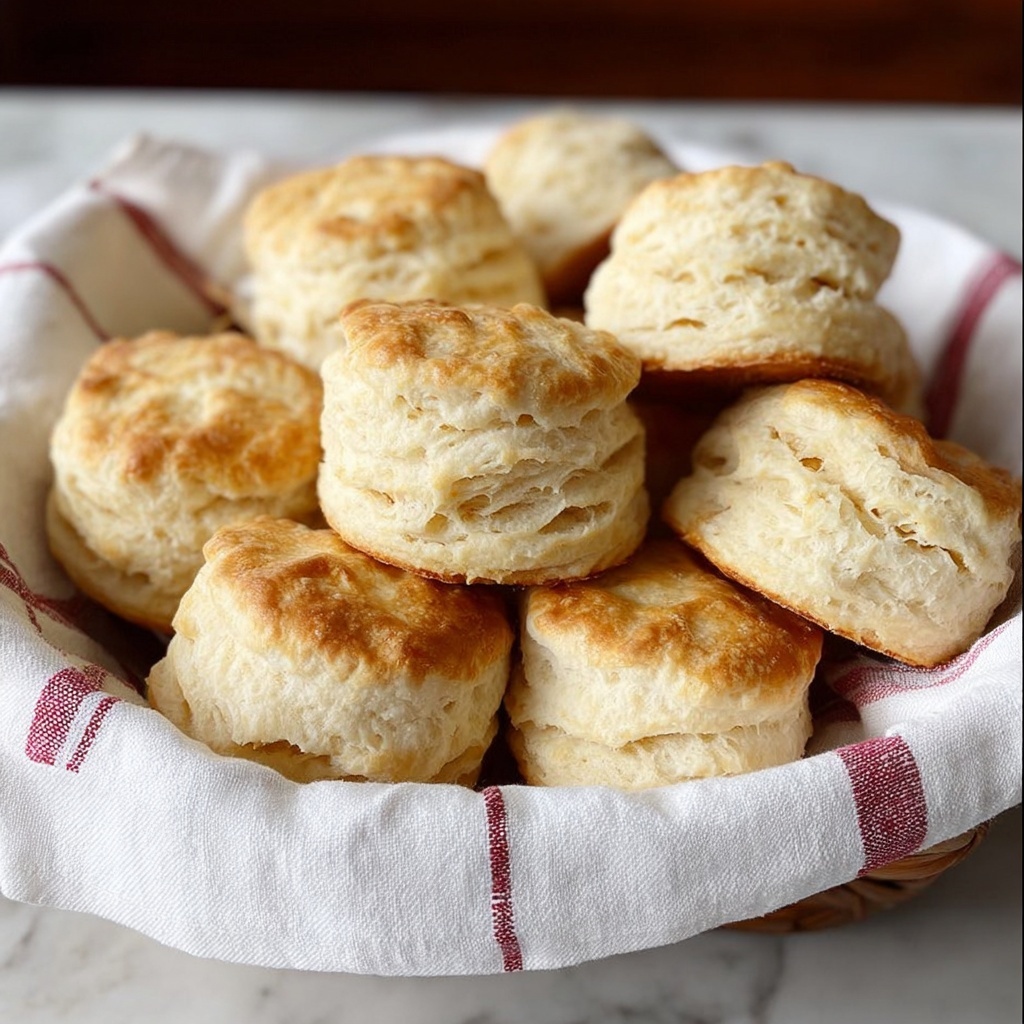
If you’ve ever craved warm, flaky, melt-in-your-mouth biscuits that remind you of a cozy morning at grandma’s kitchen, then this Easy Buttermilk Biscuits Recipe is about to become your new favorite go-to. With just a handful of simple ingredients and a straightforward method, these biscuits come out perfectly tender and golden every time. The secret lies in the loving folds and that tangy buttermilk, which make each bite incredibly satisfying and irresistibly delicious. Trust me when I say, once you try this recipe, you’ll wonder how you ever lived without it.
Ingredients You’ll Need
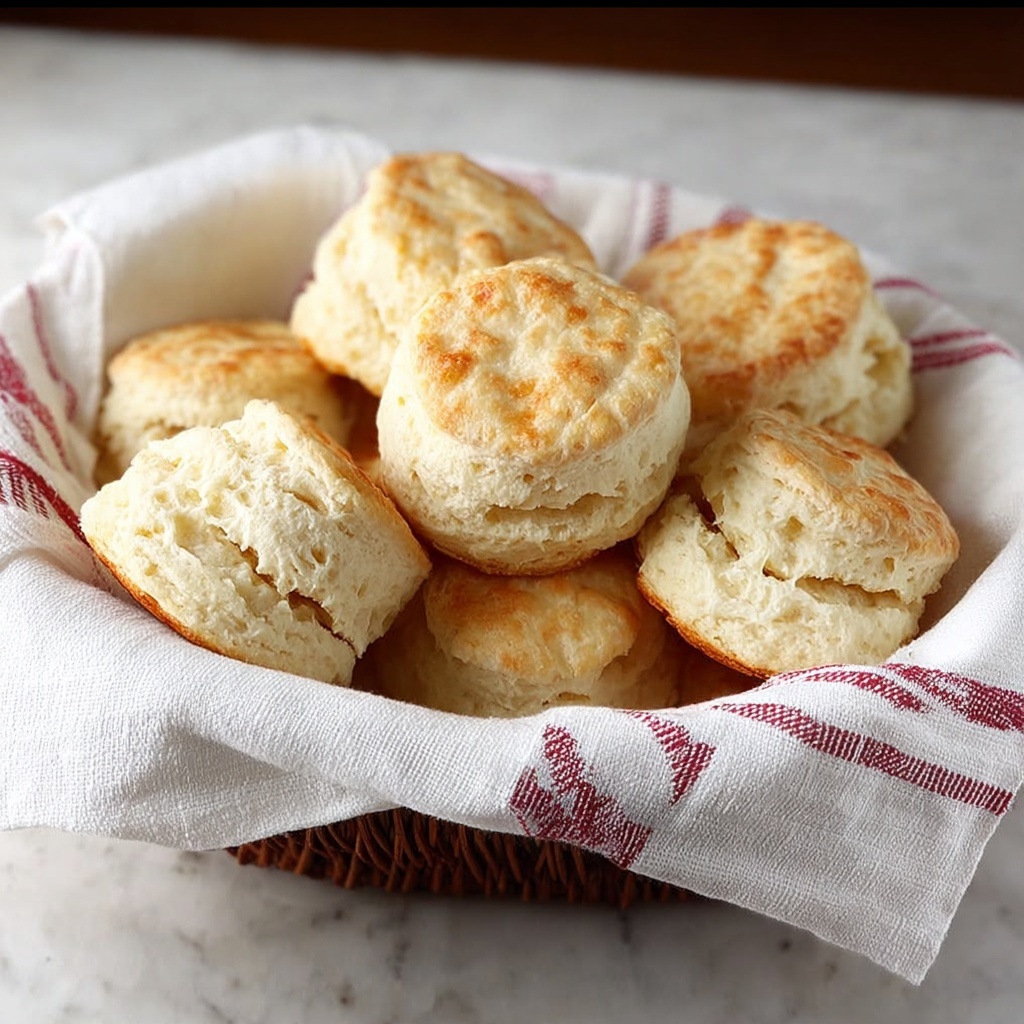
The beauty of this Easy Buttermilk Biscuits Recipe is how simple and approachable the ingredients are. Each component plays a crucial role in creating those soft, flaky layers and rich flavor that define a perfect biscuit.
- 2 cups White Lily Self-Rising Flour: This flour has just the right amount of leavening and a soft texture, which ensures your biscuits rise beautifully and stay tender.
- 1/2 cup cold unsalted butter: Cold butter creates pockets of steam in the dough, making every biscuit flaky and wonderfully light.
- 3/4 cup cultured nonfat buttermilk: Buttermilk adds a subtle tang and acidity that tenderizes the dough while contributing to that classic biscuit flavor.
- 2 tablespoons unsalted butter, melted: Brushed on top before baking, this butter makes sure your biscuits come out with a golden, inviting crust.
How to Make Easy Buttermilk Biscuits Recipe
Step 1: Prepare Your Oven and Baking Surface
Start by heating your oven to 450°F and lining a baking pan with a silicone mat or parchment paper. This setup prevents sticking and helps your biscuits bake evenly with a beautiful bottom crust.
Step 2: Measure and Mix the Flour
Use the spoon-and-level method to measure your flour accurately. This avoids packing it too densely, which can make biscuits tough. Transfer the flour to a large bowl where we’ll bring everything together.
Step 3: Cut the Butter into the Flour
Now, for the fun flaky part. Use a pastry blender to cut cold butter into the flour until it resembles peas in size. Alternatively, if you’re feeling clever, grate frozen butter on a box grater and mix it with the flour. This process traps little butter chunks that make flaky layers burst open as they bake.
Step 4: Add Buttermilk and Form the Dough
Pour in the buttermilk and gently stir until the dough just comes together. You want it thick, much like mashed potatoes, but not sticky. If the dough feels too wet, sprinkle a bit more flour; if it’s too crumbly, splash a little more buttermilk. It’s all about feel here.
Step 5: Fold and Knead for Flakiness
Turn your dough out onto a floured surface and knead briefly—just enough to bring it into a cohesive ball. Flatten it into a rectangle, then fold it into thirds like a letter (a tri-fold). Repeat this folding two more times, sprinkling flour as needed. These folds create those signature biscuit layers everybody loves.
Step 6: Cut Out the Biscuits
Gently flatten your final dough to roughly three-quarters to one inch thick. Using a floured biscuit cutter (about 2 to 2 1/2 inches), press straight down and lift — no twisting, or you’ll seal the edges and inhibit rising.
Place your biscuits close together on the pan for softer sides or farther apart if you prefer a crispier crust all around.
Step 7: Bake and Finish with Butter
Collect any leftover dough, reshape, and cut a few more biscuits until you have 10 to 12 in total. Brush the tops generously with melted butter and bake for about 15 minutes until golden and puffed. That buttery top and golden glow are the perfect signals they’re ready to devour.
How to Serve Easy Buttermilk Biscuits Recipe
Garnishes
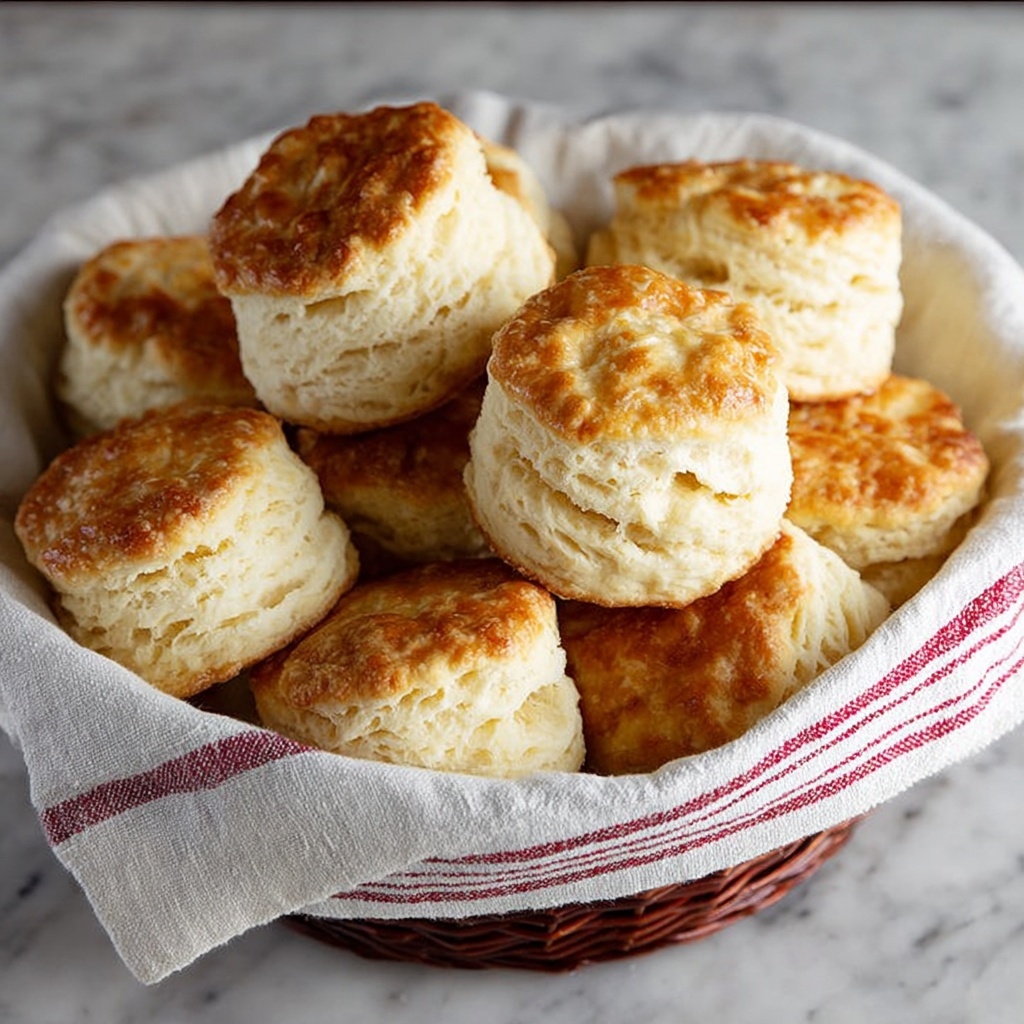
Simple is splendid here. A pat of honey butter or a drizzle of warm honey elevates the biscuits without overpowering their buttery richness. Fresh herbs like chives or thyme can also add a fragrant touch if you want to get fancy.
Side Dishes
These biscuits pair beautifully with hearty breakfast staples—think: scrambled eggs, crispy bacon, or creamy sausage gravy. For a southern-inspired lunch or dinner, offer them alongside fried chicken, collard greens, or a bowl of comforting soup.
Creative Ways to Present
Turn these biscuits into sliders with ham and cheddar, or slice them open and stuff with sweet jam and cream cheese for an indulgent snack. Hosting brunch? Serve with a spread of jams, preserves, and artisanal butters on a charming wooden board for guests to customize.
Make Ahead and Storage
Storing Leftovers
Once cooled, store your biscuits in an airtight container at room temperature for up to two days. This keeps them soft and ready to enjoy without drying out.
Freezing
You can freeze unbaked biscuits by arranging them on a tray and freezing until solid. Then transfer to a freezer bag. When ready to bake, pop them straight into a hot oven—no need to thaw. For baked biscuits, wrap individually and freeze; thaw at room temperature before reheating.
Reheating
To bring your biscuits back to life, warm them in a 300°F oven wrapped in foil for about 10 minutes. This method restores softness and warmth without drying them out. Microwave reheating is faster but can make them slightly chewy if overdone.
FAQs
Can I use regular flour instead of self-rising flour?
Absolutely! If you don’t have self-rising flour, you can make your own by mixing 2 cups of all-purpose flour with 3 teaspoons of baking powder and 1 teaspoon of salt. This substitution works well with the Easy Buttermilk Biscuits Recipe.
What if I don’t have cultured buttermilk?
No problem! You can create a quick buttermilk substitute by adding 3/4 tablespoon of lemon juice or white vinegar to 3/4 cup of milk. Let it sit for 5 minutes before using. This gives you the acidity you need for tender biscuits.
Why is it important not to twist the biscuit cutter?
Twisting the cutter seals the edges of the dough, which prevents the biscuits from rising properly and results in harder edges. Pressing straight down and lifting keeps layers intact for a light, fluffy texture.
Can I make these biscuits dairy-free?
Yes, you can substitute the butter with a plant-based spread and use a dairy-free buttermilk alternative, such as almond milk mixed with lemon juice. Keep in mind this might slightly change the flavor and texture but still gives tasty results.
How do I get my biscuits extra flaky?
The key to flaky biscuits in this Easy Buttermilk Biscuits Recipe is keeping the butter cold, not overworking the dough, and folding it several times to create layers. These steps help trap steam during baking, which separates the layers beautifully.
Final Thoughts
There’s truly something magical about pulling fresh, golden biscuits from the oven, and this Easy Buttermilk Biscuits Recipe is crafted to deliver that joy with minimal fuss. Whether you’re a biscuit novice or a seasoned baker, these tender, flaky delights will quickly become a treasured part of your kitchen routine. So grab your mixing bowl and butter, and let’s make some warm memories with these classic biscuits!
Print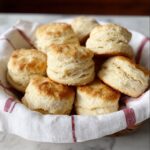
Easy Buttermilk Biscuits Recipe
- Prep Time: 15 minutes
- Cook Time: 15 minutes
- Total Time: 30 minutes
- Yield: 10-12 biscuits
- Category: Breakfast, Bread
- Method: Baking
- Cuisine: American
Description
These Easy Buttermilk Biscuits are tender, flaky, and buttery with a perfect golden crust. Made from simple ingredients like self-rising flour, cold butter, and cultured buttermilk, these biscuits come together quickly with a simple folding technique that creates beautifully flaky layers. Perfect for breakfast or as a side for any meal.
Ingredients
Dry Ingredients
- 2 cups White Lily Self-Rising Flour
Wet Ingredients
- 3/4 cup cultured nonfat buttermilk, cold
- 1/2 cup cold unsalted butter
- 2 tablespoons unsalted butter, melted (for brushing)
Instructions
- Preheat and Prepare Baking Surface: Preheat the oven to 450°F and line a baking pan with a silicone baking mat or parchment paper to prevent sticking.
- Measure Flour: Spoon the self-rising flour into a dry measuring cup and level it off with a knife to ensure accurate measurement.
- Cut in Butter: Cut the cold unsalted butter into the flour using a pastry blender until pieces are the size of small peas. Alternatively, freeze the butter and grate it, then stir the grated butter into the flour evenly.
- Add Buttermilk: Pour in the cold cultured buttermilk and gently stir until just combined. The dough should have the consistency of thick mashed potatoes, sticky but manageable. Adjust by adding a bit more flour if too sticky or more buttermilk if too dry.
- Knead and Fold Dough: Turn the dough onto a floured surface and knead a few times only if necessary to bring it together. Flatten the dough into a rectangle and fold it in thirds like a letter (tri-fold) to create flaky layers. Repeat dusting flour to prevent sticking and tri-fold 3 times total.
- Cut Biscuits: Flatten the dough to about 3/4 to 1 inch thick and use a floured sharp biscuit cutter (2 to 2 1/2 inches) to cut out biscuits with an up-and-down motion without twisting. Place biscuits close together for soft edges or spaced apart for crispier edges on the prepared pan.
- Re-roll Scraps: Gather the dough scraps, flatten, and cut additional biscuits to yield between 10 and 12 total.
- Brush and Bake: Brush the tops of biscuits with melted butter for extra flavor and browning. Bake in the preheated oven for about 15 minutes until golden brown and cooked through.
Notes
- Using cold butter is essential for flaky biscuits as it creates steam pockets during baking.
- Do not over-knead the dough to avoid tough biscuits.
- For softer edges, place biscuits close together on the baking sheet; for crispier edges, space them apart.
- You can substitute buttermilk with a mix of milk and lemon juice/vinegar if needed.
- Store leftover biscuits in an airtight container and reheat in the oven for best texture.