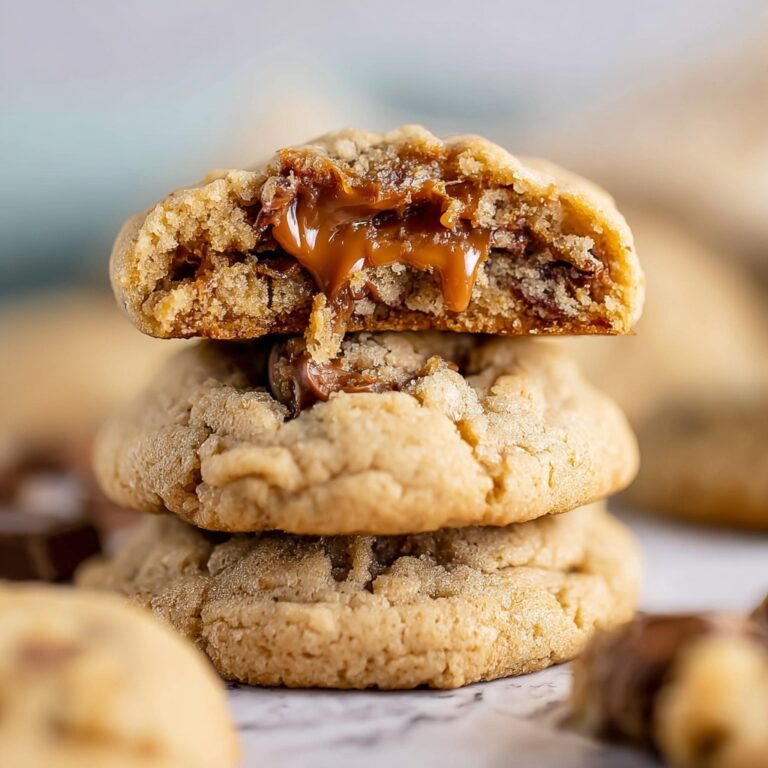

There is something simply magical about homemade croissants, and with this Crusty Flaky Croissants: Step-by-Step Recipe, you’re about to experience that delight in your own kitchen. These croissants boast a perfectly crisp exterior that crackles beneath your fingers, giving way to a tender, buttery, and irresistibly flaky inside. Whether you crave a buttery breakfast companion or an impressive treat for guests, mastering this detailed recipe will elevate your baking game and fill your home with the most inviting aroma of fresh pastry. Ready to embark on a baking journey that rewards patience with sublime texture and flavor? Let’s dive into this Crusty Flaky Croissants: Step-by-Step Recipe together!

Ingredients You’ll Need
Believe it or not, crafting these divine croissants depends on just a handful of humble, essential ingredients. Each one plays a critical role from helping the dough rise gloriously to delivering that buttery richness and golden glow you expect from a classic croissant. Don’t be intimidated—the simplicity of the ingredients belies the complexity of flavors and textures you will achieve!
- Instant yeast (2 1/4 teaspoons): The secret agent responsible for that perfect lift and airy structure.
- Whole milk, lukewarm (160 g): Adds richness and tenderness, aiding in a soft crumb.
- Water (120 g): Enhances dough hydration and elasticity for a supple texture.
- All-purpose flour (470 g + extra): The foundation of your dough, providing structure and chew.
- Granulated sugar (50 g): Balances flavor with subtle sweetness and encourages browning.
- Salt (1 1/2 teaspoons): Vital for flavor enhancement and controlling yeast activity.
- Unsalted butter, room temperature (30 g + 250 g): The hero of flakiness and that magnificent buttery richness.
- All-purpose flour (1 1/2 tablespoons): For mixing with butter to form the butter block, crucial to lamination.
- Large egg (1): Used for egg wash, giving your croissants their signature golden, glossy finish.
- Water for egg wash (1 tablespoon): Thins the egg for a smooth, even glaze.
How to Make Crusty Flaky Croissants: Step-by-Step Recipe
Step 1: Activate Yeast
Start by blending lukewarm milk, water, yeast, and sugar in a large bowl. If you’re using active dry yeast, patience is key—let this mixture sit for 5 to 10 minutes until it’s delightfully frothy. Instant yeast lovers can skip the wait since it dissolves straight away. This activation breathes life into the dough, setting the stage for those beautiful rises.
Step 2: Make Dough
Next, stir in the all-purpose flour and salt until a rough dough forms. This is where your croissant’s body begins to take shape—simple ingredients starting to mingle into magic.
Step 3: Knead Dough
Turn your dough onto a lightly floured surface and knead for about 3 minutes. This not only smooths the dough but also develops the gluten network, giving you that perfect chew without the stickiness.
Step 4: Incorporate Butter
Add the smaller portion of room temperature unsalted butter (30 grams) and knead it into the dough. This step enriches the dough beautifully, adding softness and a subtle buttery flavor from within.
Step 5: Chill Dough
Shape the dough into a rough rectangle, wrap tightly in plastic wrap, and pop it in the fridge for at least 2 hours or overnight. The rest gives the dough time to firm up and the gluten to relax, crucial for smooth lamination.
Step 6: Prepare Butter Block
Mix the larger butter portion (250 grams) with the flour until combined. Place between parchment papers and roll into a neat 20×15 cm rectangle about half a centimeter thick. This butter block becomes the heart of your croissants’ luscious layering.
Step 7: Chill Butter Block
Pop the butter block back into the fridge until firm but still pliable—a little soft but not melting is just right for ease of incorporation.
Step 8: Laminate Dough
Roll your rested dough into a 20×32 cm rectangle, twice the height of the butter block. Center the butter on the dough and fold the edges over to encase it completely, sealing well. Shallow slits around the edges prevent tearing as you roll. This careful enclosure is the start of forming those signature buttery layers.
Step 9: First Fold
Rotate the dough so the seam is vertical, then roll it into a long rectangle about 6 millimeters thick. Trim the edges for neatness, fold the top third down and the bottom third up, like folding a letter. Wrap it, then chill in the fridge for 30-60 minutes to let everything settle and the butter firm up once again.
Step 10: Second Fold
Repeat the rolling and folding process, trimming edges as needed for a clean fold, then wrap and refrigerate for another 30-60 minutes. Each fold builds flakiness, layering thin sheets of butter and dough.
Step 11: Third Fold
One more time, roll, fold, and chill—this final fold gives your croissants the spectacular flakiness they’re famous for. After the last fold, refrigerate the dough for at least 2 hours to relax gluten and chill the butter completely.
Step 12: Shape Croissants
Roll your chilled dough into a 60×30 cm rectangle about 5 millimeters thick. Mark every 5 centimeters along the edges and cut diagonal lines to create around 12 triangles. Stretch the base of each triangle gently and roll it up towards the tip, tucking the tip underneath to secure. Bend the ends slightly to form the classic crescent shape. This shaping stage is where your croissants start to look like the irresistible flaky pastries we know and love.
Step 13: Proof Croissants
Place the shaped croissants on parchment-lined trays, cover loosely, and let them proof at room temperature for 2 to 5 hours. When fully proofed, they will be doubled in size, puffy, and jiggle delightfully when the tray is gently shaken. This stage allows the dough to become light and airy before baking.
Step 14: Preheat Oven and Egg Wash
While your croissants proof, preheat the oven to 200°C (400°F). Whisk together one egg and one tablespoon of water for the egg wash. Just before baking, gently brush this over the croissants to achieve that irresistible golden shine.
Step 15: Bake Croissants
Bake your croissants for 20-22 minutes until they reach a deep golden brown and are beautifully crisp. Let them cool to room temperature to allow the flaky layers to set before slicing. Then, enjoy the fruits of your patient labor—flaky, buttery, utterly delicious croissants!
How to Serve Crusty Flaky Croissants: Step-by-Step Recipe

Garnishes
A light dusting of powdered sugar can add a sweet finish for those breakfast treats, or a scattering of coarse salt can accentuate the buttery layers if you want a savory touch. Fresh herbs like finely chopped chives or thyme can also complement savory croissants beautifully.
Side Dishes
Pair your croissants with fresh fruit preserves, creamy butter, or even a rich cheese platter. A bowl of fresh berries or a dollop of crème fraîche can elevate your breakfast experience. For a more substantial brunch, smoked salmon and avocado slices are a divine match.
Creative Ways to Present
For special occasions, slice croissants and fill them with ham, cheese, or chocolate spread for mini sandwiches. You can also cut them open and layer with scrambled eggs and sautéed mushrooms. Display them in a basket lined with a linen napkin for that irresistible bakery vibe right on your table.
Make Ahead and Storage
Storing Leftovers
Once cooled completely, store leftover croissants in an airtight container at room temperature for up to two days. This keeps them crispish but fresh, ready to enjoy without losing their signature texture.
Freezing
To enjoy croissants later, freeze them wrapped tightly in plastic wrap and placed in a zip-top bag or airtight container for up to a month. Freeze them before baking if you want to bake fresh upon craving, or freeze fully baked croissants and reheat later.
Reheating
Reheat leftover croissants in a 180°C (350°F) oven for about 5-7 minutes to revive their crispness and warmth. Avoid microwaving to maintain that treasured flaky texture.
FAQs
Can I use active dry yeast instead of instant yeast?
Absolutely! If using active dry yeast, make sure to activate it in lukewarm milk and water with sugar for 5-10 minutes until frothy before mixing with your flour. Instant yeast can be added directly without proofing.
Why do I need to chill the dough and butter multiple times?
Chilling ensures the butter stays cold and firm, which is crucial for forming distinct layers during lamination. It also relaxes the gluten in the dough, making it easier to roll out without shrinking.
Is it necessary to trim the edges during the folding process?
While not mandatory, trimming uneven edges keeps your dough neat and makes folding easier, which results in more uniform layers and a beautiful final shape.
How can I tell when the croissants are properly proofed?
Properly proofed croissants will have nearly doubled in size, look puffed and airy, and wiggle slightly when you gently shake the baking tray.
Can I add fillings like chocolate or almond paste?
Definitely! You can place fillings at the base of each triangle before rolling it up. Just be mindful not to overfill, as this can make shaping more challenging and affect the flakiness.
Final Thoughts
If you’ve ever dreamed of creating bakery-quality croissants at home, this Crusty Flaky Croissants: Step-by-Step Recipe is your golden ticket. Though the process requires patience and care, the rewards are beyond compare—a symphony of buttery, flaky layers that melt in your mouth. Give yourself the joy of this baking adventure and savor croissants fresh from your oven, knowing you made them yourself. Happy baking!
Print
Crusty Flaky Croissants: Step-by-Step Recipe
- Prep Time: 1 hour 30 minutes
- Cook Time: 22 minutes
- Total Time: 4 hours 40 minutes
- Yield: 12 servings
- Category: Breakfast Pastry
- Method: Baking
- Cuisine: French
Description
Learn how to make traditional flaky and buttery croissants from scratch with this detailed step-by-step recipe. Using a classic lamination technique that involves rolling and folding layers of dough and butter, you’ll create perfectly golden, crescent-shaped pastries with crisp exteriors and tender, airy interiors. Ideal for breakfast, brunch, or any special occasion, these homemade croissants are sure to impress with their authentic texture and flavor.
Ingredients
Dry Ingredients
- 470 g all-purpose flour (plus extra for dusting)
- 50 g granulated sugar
- 1 1/2 teaspoons salt
- 1 1/2 tablespoons all-purpose flour (for butter block)
- 2 1/4 teaspoons instant yeast (or active dry yeast)
Wet Ingredients
- 160 g whole milk (lukewarm)
- 120 g water
- 30 g unsalted butter (room temperature, for dough)
- 250 g unsalted butter (room temperature, for butter block)
- 1 large egg (for egg wash)
- 1 tablespoon water (for egg wash)
Instructions
- Activate Yeast: In a large bowl, combine lukewarm milk, water, yeast, and sugar. If using active dry yeast, let the mixture sit for 5-10 minutes until frothy to activate it. Instant yeast can be added directly without this step.
- Make Dough: Add all-purpose flour and salt to the yeast mixture. Mix until a rough dough forms.
- Knead Dough: Turn the dough onto a floured surface and knead for about 3 minutes until it becomes smoother and less sticky, helping develop gluten.
- Incorporate Butter: Knead the 30 g room temperature unsalted butter into the dough thoroughly.
- Chill Dough: Shape the dough into a rough rectangle, wrap it in plastic wrap, and refrigerate for at least 2 hours or overnight to rest and firm up.
- Prepare Butter Block: Mix the 250 g room temperature butter with 1 1/2 tablespoons flour until smooth. Place between two parchment papers and roll into a 20×15 cm rectangle about 0.5 cm thick.
- Chill Butter Block: Refrigerate the butter block until firm but still pliable.
- Laminate Dough: Roll the chilled dough into a 20×32 cm rectangle, place the butter block centered on the dough, and fold the dough edges over it to encase fully. Seal and make shallow slits along the edges.
- First Fold: Rotate dough 90 degrees so the seam is vertical. Roll it into a long rectangle about 6 mm thick. Trim edges, fold into thirds like a letter, wrap in plastic, and refrigerate for 30-60 minutes.
- Second Fold: Repeat rolling and folding into thirds, trim edges for neatness, wrap, and refrigerate another 30-60 minutes.
- Third Fold: Repeat rolling and folding once more, then refrigerate dough for at least 2 hours to relax gluten and chill butter layers.
- Shape Croissants: Roll dough into a 60×30 cm rectangle about 5 mm thick. Mark 5 cm intervals on edges and cut diagonal lines to form about 12 triangles. Stretch triangle bases gently, roll from wide end to tip, tuck tip under to secure, and curve ends to form crescents.
- Proof Croissants: Place shaped croissants on parchment-lined trays, cover loosely, and proof at room temperature for 2-5 hours until doubled in size and puffy, indicated by a jiggle when the tray is shaken.
- Preheat Oven: Preheat the oven to 200°C (400°F).
- Egg Wash: Whisk together one large egg and one tablespoon water. Brush croissant tops gently to encourage a golden, shiny crust.
- Bake Croissants: Bake in the preheated oven for 20-22 minutes until deeply browned and crisp. Cool to room temperature before serving to enjoy the flaky layers.
Notes
- Using instant yeast speeds up preparation, but active dry yeast can be used if proofed properly.
- Butter should be at room temperature but still firm for lamination to ensure proper layering.
- Keep dough and butter chilled to prevent butter from melting during rolling.
- Proofing time may vary based on room temperature; patience ensures a lighter croissant.
- An egg wash adds shine and enhances browning, but can be omitted for a matte finish.
- Store baked croissants in an airtight container to maintain freshness; best eaten within 1-2 days.