
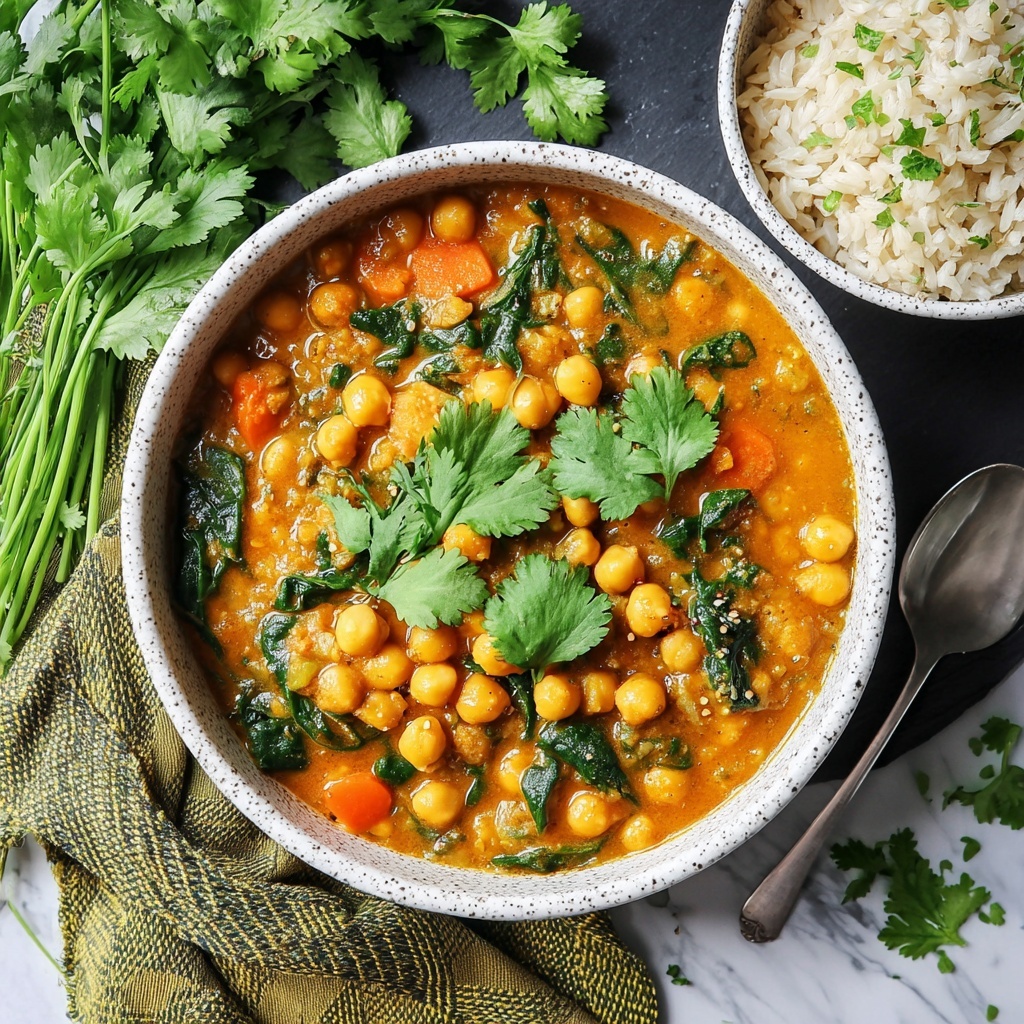
If you’re craving a dish that’s bursting with flavor, wholesome ingredients, and vibrant colors, then this Chickpea and Vegetable Curry Recipe is exactly what you need in your kitchen rotation. It’s a delightful marriage of creamy coconut milk, aromatic spices, and tender vegetables paired with protein-packed chickpeas, creating a hearty, comforting meal that feels both nourishing and indulgent. Whether you’re a seasoned curry fan or just beginning to explore plant-based dishes, this recipe offers an accessible yet flavorful approach that will have you coming back for seconds, and maybe even thirds!
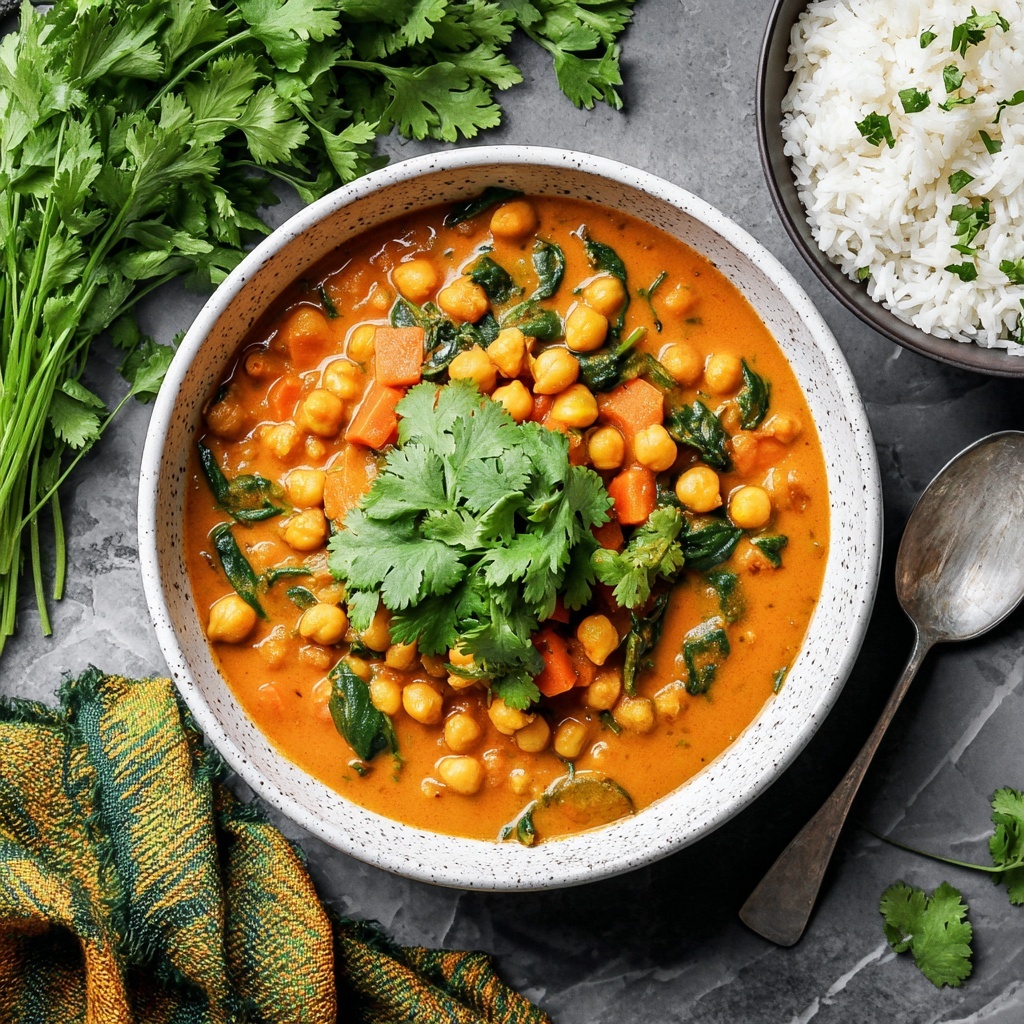
Ingredients You’ll Need
Getting great results with this Chickpea and Vegetable Curry Recipe starts with simple, fresh ingredients that each add a unique layer of taste, texture, or color to the final dish. These essentials come together beautifully to create a perfectly balanced curry that’s rich, vibrant, and satisfying.
- Olive oil: A good base for sautéing that lends subtle fruitiness and richness without overpowering the spices.
- Small onion (diced): Adds sweetness and a gentle bite that forms the curry’s flavor foundation.
- Garlic (minced): Brings a pungent warmth that complements the earthy spices.
- Fresh ginger (grated): Adds a bright, zesty note to brighten the curry.
- Curry powder: The star spice blend that defines the curry’s signature taste.
- Ground cumin: Enhances warmth and depth with its slightly nutty aroma.
- Turmeric: Introduces lovely golden color and subtle earthiness.
- Salt: Essential to balance and elevate all the flavors.
- Cayenne pepper (optional): For those who love a little heat, it adds a kick without overwhelming the dish.
- Chickpeas (canned, drained and rinsed): A plant-based protein powerhouse that also provides creamy texture.
- Diced carrots: Adds sweetness and a bit of crunch.
- Cauliflower florets: Provides a tender yet slightly crunchy bite and swells with curry flavors.
- Red bell pepper (chopped): Infuses vibrant color and a mild sweetness.
- Zucchini (sliced): Lightens the dish with freshness and slight firmness.
- Diced tomatoes with juices (canned): Adds acidity and richness for a saucy texture.
- Coconut milk (full fat): Creates that creamy, lush base that makes the curry feel indulgent.
- Fresh lemon juice: Adds a bright, tangy finish to balance the creaminess and spice.
- Chopped cilantro (for garnish): Provides a fresh herbaceous touch and color contrast.
- Cooked rice or naan: Perfect for soaking up all the flavorful curry sauce.
How to Make Chickpea and Vegetable Curry Recipe
Step 1: Sauté the Aromatics
Begin by heating olive oil in a large skillet or pot over medium heat. Once hot, add the diced onion and cook for about 4 to 5 minutes until it becomes soft and translucent. This step is crucial because soft onions form a sweet, mellow base, setting the stage for the rich flavors to come. Then stir in the minced garlic and grated fresh ginger, cooking for just another minute. These aromatics release their fragrant oils quickly, giving your curry a warm and inviting scent right from the start.
Step 2: Toast the Spices
Next, sprinkle in the curry powder, ground cumin, turmeric, salt, and cayenne pepper if you’re adding some heat. Stir continuously for about a minute until the mixture is fragrant. Toasting the spices in the oil unlocks their full flavor potential and ensures that your curry will have that deep, heady aroma you expect from a classic dish.
Step 3: Add Chickpeas and Vegetables
Now, add the drained chickpeas, diced carrots, cauliflower florets, chopped red bell pepper, and sliced zucchini to the pot. Each vegetable brings something wonderful: sweetness from the carrots and bell peppers, earthiness from the cauliflower, and a fresh crunch from the zucchini, making every spoonful interesting and satisfying. Stir everything to combine evenly with the spices.
Step 4: Pour in Tomatoes and Coconut Milk
Pour the canned diced tomatoes along with their juices, then add the creamy full-fat coconut milk. This combination creates the perfect balance of acidity and creaminess. Stir everything well, bringing the mixture to a gentle simmer. The simmering process allows the flavors to meld beautifully while softening the vegetables without losing their texture.
Step 5: Simmer and Finish
Reduce the heat to low, cover your pot, and let everything simmer for about 20 to 25 minutes. This slow cooking tenderizes the vegetables and lets all the rich flavors deepen. When the vegetables are tender and the sauce has thickened slightly, stir in the fresh lemon juice to add a bright pop of freshness. Taste and adjust seasoning as needed. Your Chickpea and Vegetable Curry Recipe is now ready for serving and enjoying!
How to Serve Chickpea and Vegetable Curry Recipe
Garnishes
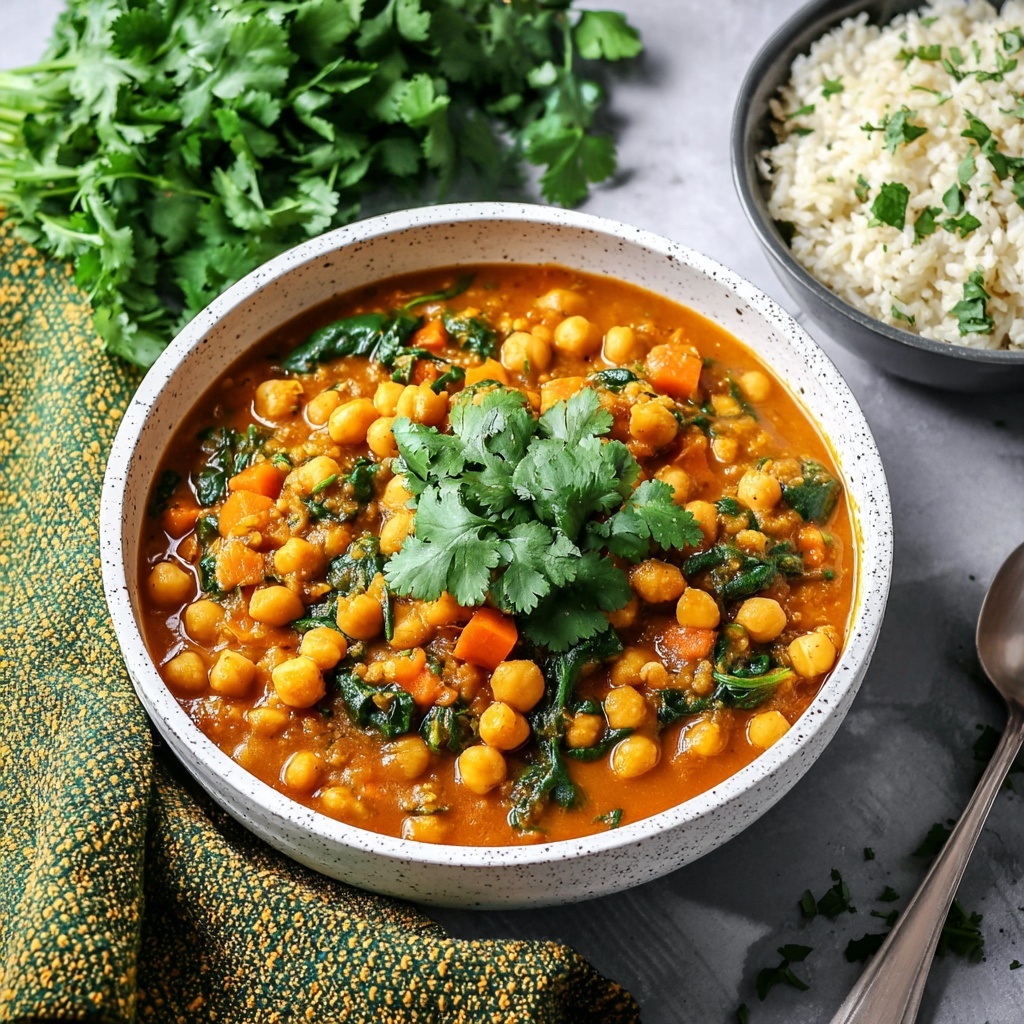
Finishing your curry with a handful of freshly chopped cilantro adds an herbaceous lift and vibrant green color that’s just so inviting. If you’re feeling adventurous, a sprinkle of toasted nuts like cashews or a dollop of dairy-free yogurt can add an extra layer of texture and creaminess.
Side Dishes
This curry pairs wonderfully with warm, fluffy rice or soft, buttery naan bread. The rice absorbs the luscious sauce perfectly, making every bite comforting. Naan gives a wonderful chewy contrast and is ideal for scooping up the curry. For a lighter option, serving with a crisp green salad or cucumber raita creates a refreshing complement.
Creative Ways to Present
Serve this curry in vibrant bowls to show off its colorful vegetables. You might want to garnish each portion with a lemon wedge for guests to squeeze fresh juice, enhancing the tangy notes. For a party or family-style meal, place all curry components in a large, beautiful serving dish and let everyone customize their plates with their favorite sides and garnishes.
Make Ahead and Storage
Storing Leftovers
Your Chickpea and Vegetable Curry Recipe keeps wonderfully in an airtight container in the refrigerator for up to 4 days, allowing the flavors to meld even further. Just make sure to cool it completely before storing to maintain freshness and texture.
Freezing
This curry freezes beautifully, making it an ideal make-ahead meal. Portion it into freezer-safe containers, leaving some room for expansion, and freeze for up to 3 months. When you’re ready, thaw overnight in the fridge to ensure even reheating.
Reheating
For the best results, gently reheat the curry on the stovetop over medium-low heat, stirring occasionally until warmed through. If reheating from frozen, allow extra time and stir frequently to prevent sticking. Adding a splash of water or coconut milk can help restore the sauce’s creaminess if it has thickened too much.
FAQs
Can I use dried chickpeas instead of canned?
Absolutely! If you prefer dried chickpeas, soak them overnight and cook them until tender before adding to the curry. This adds extra texture and a fresher flavor, though canned chickpeas offer convenience and work perfectly well in this recipe.
How spicy is this curry?
This Chickpea and Vegetable Curry Recipe has a moderate spice level that’s easily adjustable. If you like it mild, simply omit the cayenne pepper. For more heat, add extra cayenne or a fresh chopped chili when sautéing the aromatics.
Can I make this curry gluten-free?
Yes! The recipe is naturally gluten-free as long as you serve it with gluten-free rice or naan. Just double-check any store-bought curry powders or canned ingredients to ensure they don’t have hidden gluten additives.
What other vegetables can I add?
This recipe is incredibly versatile! Feel free to swap or add veggies like spinach, green beans, or sweet potatoes to personalize the curry to your taste and use what you have on hand.
Is this dish suitable for meal prepping?
Definitely. The curry keeps well, tastes even better the next day, and freezes nicely, making it a fantastic option for preparing meals ahead and enjoying flavorful leftovers throughout the week.
Final Thoughts
There’s truly something special about this Chickpea and Vegetable Curry Recipe that brings warmth and satisfaction with every bite. It’s a dish that welcomes creativity, nourish your body, and comforts your soul—all while being surprisingly simple to make. Whether you’re cooking for yourself, family, or friends, I encourage you to give this recipe a try and let its wonderful flavors brighten your table and your day.
Print
Chickpea and Vegetable Curry Recipe
- Prep Time: 15 minutes
- Cook Time: 25 minutes
- Total Time: 40 minutes
- Yield: 4 servings
- Category: Main Course
- Method: Stovetop
- Cuisine: Indian-Inspired
- Diet: Vegan
Description
This Chickpea and Vegetable Curry is a hearty, flavorful vegan dish packed with colorful vegetables and protein-rich chickpeas, simmered in a creamy coconut milk base with aromatic Indian spices. Perfect for a comforting main course, it’s easy to prepare on the stovetop and served best with rice or naan.
Ingredients
Spices and Aromatics
- 1 tablespoon olive oil
- 1 small onion, diced
- 2 cloves garlic, minced
- 1 tablespoon fresh ginger, grated
- 1 tablespoon curry powder
- 1 teaspoon ground cumin
- 1/2 teaspoon turmeric
- 1/2 teaspoon salt
- 1/4 teaspoon cayenne pepper (optional)
Vegetables and Legumes
- 1 can (15 oz) chickpeas, drained and rinsed
- 1 cup diced carrots
- 1 cup chopped cauliflower florets
- 1 red bell pepper, chopped
- 1 zucchini, sliced
- 1 can (14 oz) diced tomatoes with juices
Liquids and Garnish
- 1 can (14 oz) coconut milk (full fat)
- 1 tablespoon fresh lemon juice
- 2 tablespoons chopped cilantro (for garnish)
- Cooked rice or naan, for serving
Instructions
- Heat the Oil and Sauté Aromatics: Heat the olive oil in a large skillet or pot over medium heat. Add the diced onion and cook for 4 to 5 minutes until softened and translucent.
- Add Garlic and Ginger: Stir in the minced garlic and grated ginger. Cook for another minute until fragrant.
- Add Spices: Add the curry powder, ground cumin, turmeric, salt, and cayenne pepper (if using). Stir constantly to toast the spices and release their aroma.
- Add Vegetables and Chickpeas: Incorporate the chickpeas, diced carrots, cauliflower florets, chopped red bell pepper, and sliced zucchini into the pot, stirring to combine with the spices.
- Add Tomatoes and Coconut Milk: Pour in the canned diced tomatoes with their juices and the coconut milk. Stir thoroughly to mix all ingredients.
- Simmer: Bring the mixture to a gentle simmer, then reduce heat to low. Cover the pot and cook for 20 to 25 minutes, or until the vegetables are tender and flavors meld.
- Finish and Serve: Stir in fresh lemon juice and adjust seasoning to taste with additional salt or spices as desired. Serve hot over cooked rice or with naan bread, garnished with chopped cilantro.
Notes
- You can substitute or add other vegetables such as spinach, green beans, or sweet potatoes to vary the dish.
- To make it spicier, add a chopped fresh chili or increase the amount of cayenne pepper.
- Use light coconut milk for a lower-fat version, though full fat provides a richer texture.
- This curry stores well in the refrigerator and tastes even better the next day.