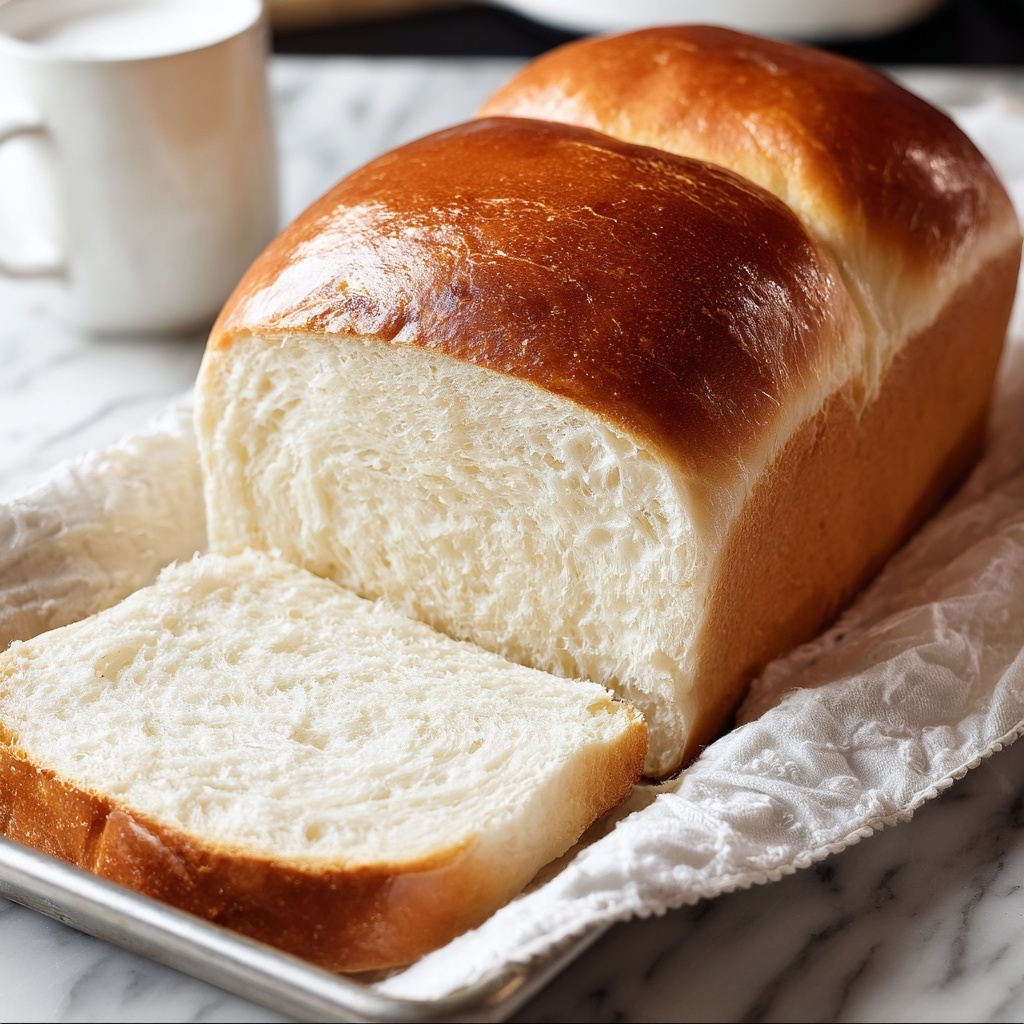
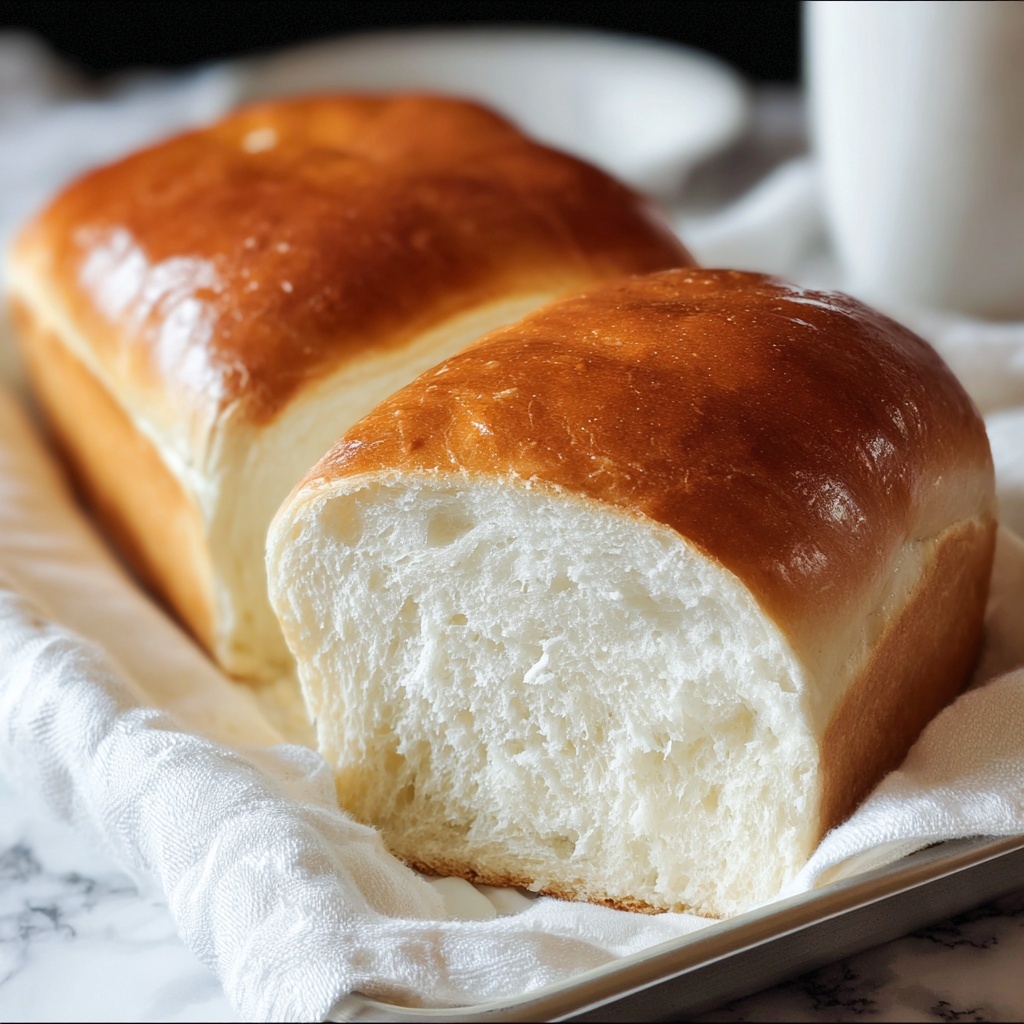
The Amish White Bread Recipe is an absolute treasure for anyone who loves soft, tender, and slightly sweet homemade bread with that perfect golden crust. This bread has a comforting, storybook charm — it’s simple to make yet delivers a rich, satisfying flavor that feels like a warm hug from the first bite. Whether you’re new to bread baking or a seasoned baker, this recipe brings together just a handful of everyday ingredients to create a loaf that’s irresistibly fresh and perfect for sandwiches, toast, or just enjoying with butter straight from the oven.
Ingredients You’ll Need
Every ingredient in the Amish White Bread Recipe plays a starring role, working together to create a loaf that’s wonderfully soft and impressively fluffy. From the warm water that wakes up the yeast to the pinch of salt that balances sweetness, each element is essential for achieving that classic texture and flavor.
- Warm water (1 cup): The perfect temperature (around 110°F/45°C) activates the yeast without killing it, ensuring your bread rises beautifully.
- White sugar (1/3 cup): Adds just the right amount of sweetness and feeds the yeast to help the dough rise.
- Active dry yeast (2 1/4 teaspoons or 1 packet): The magic ingredient that makes your bread light and airy.
- Vegetable oil (1/4 cup): Keeps the bread moist and tender, giving it that soft crumb everyone loves.
- Salt (1 1/2 teaspoons): Enhances all the flavors in the bread and controls yeast activity for a balanced rise.
- All-purpose flour (3 cups): The foundation of your bread, providing structure and body while creating a chewy, soft texture.
How to Make Amish White Bread Recipe
Step 1: Activate the Yeast
Begin by dissolving the sugar in warm water inside a large bowl. Sprinkle the active dry yeast over the surface and let it sit undisturbed for 5 to 10 minutes. You’ll know it’s ready when the mixture becomes frothy and bubbly, signaling that your yeast is alive and kicking—this is crucial for a good rise!
Step 2: Mix the Dough
Next, stir the vegetable oil and salt directly into the yeast mixture for flavor and moisture. Slowly add the flour one cup at a time, mixing gently until a soft dough comes together. Don’t rush this part—gradually incorporating the flour helps you avoid a dough that’s too stiff or too sticky.
Step 3: Knead Until Smooth
Turn your dough onto a lightly floured surface and knead for about 6 to 8 minutes. You’ll want to work the dough until it feels smooth, elastic, and slightly springy to the touch. Kneading develops the gluten that gives your bread structure and chewiness, so this step is worth the effort!
Step 4: First Rise
Place your dough in a greased bowl and turn it to coat all sides with oil, which prevents sticking and keeps the surface soft. Cover the bowl with a clean kitchen towel or plastic wrap and let it rise in a warm spot until it doubles in size—usually about an hour. Patience here means a lighter, fluffier loaf.
Step 5: Shape and Second Rise
Once your dough has doubled, punch it down to release trapped air. Shape it into a loaf shape and set it carefully into a greased 9×5-inch loaf pan. Cover and let it rise again for about 30 minutes, or until the dough rises just above the pan’s edge. This second rise builds more volume and creates that perfect crumb.
Step 6: Bake to Golden Perfection
Preheat your oven to 350°F (175°C). Place the loaf pan in the oven and bake for 30 to 35 minutes. You’ll know your Amish White Bread Recipe is done when its crust turns golden brown and it sounds hollow when you tap the bottom of the loaf—a classic sign that the bread is fully baked.
Step 7: Cool Before Slicing
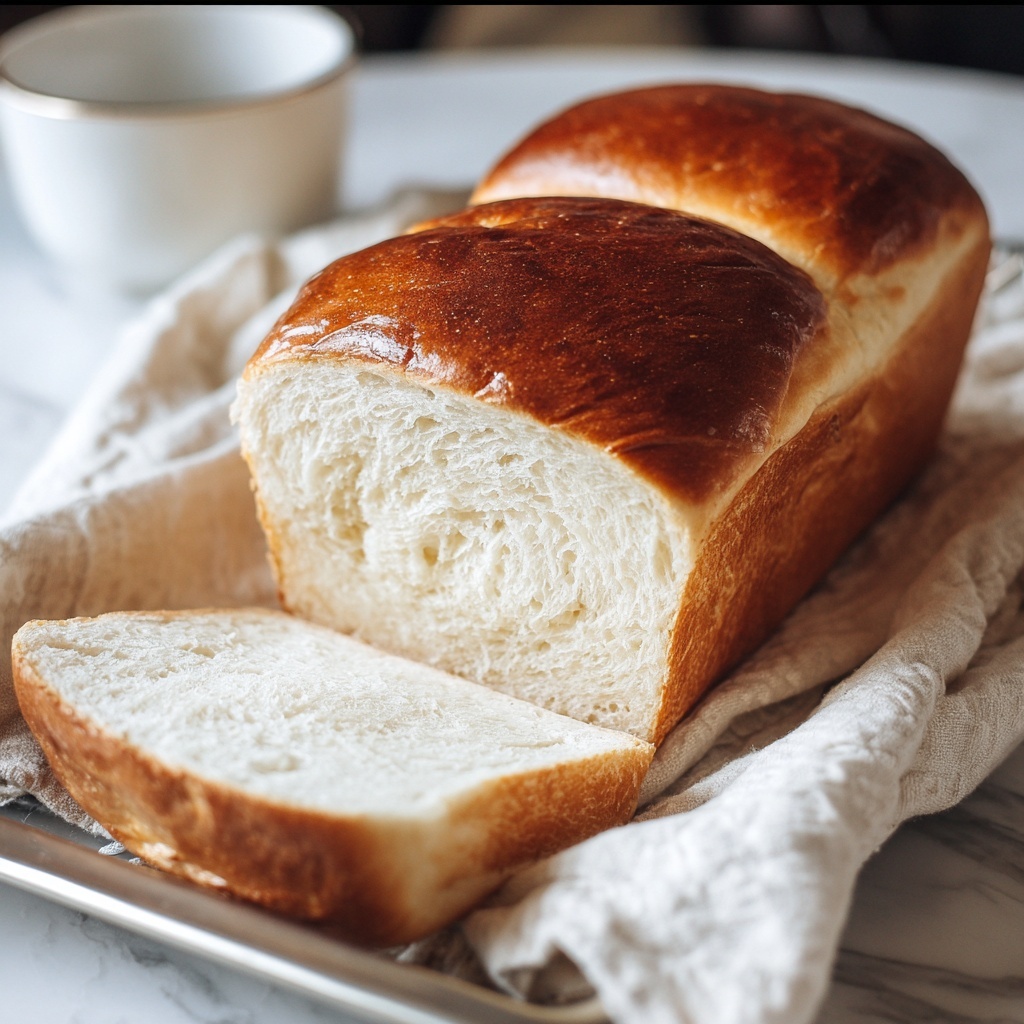
After baking, cool the bread for 5 minutes in the pan, then transfer it to a wire rack to cool completely. This step prevents the loaf from getting soggy on the bottom and helps the crumb set properly, so you get beautiful slices every time.
How to Serve Amish White Bread Recipe
Garnishes
The classic simplicity of Amish White Bread lends itself beautifully to light garnishes like a pat of creamy butter, a drizzle of honey, or a sprinkle of cinnamon sugar. These touches elevate the bread without overshadowing its delicate flavor.
Side Dishes
This bread is an all-time favorite alongside hearty soups, stews, or fresh salads. Its tender crumb soaks up broths and sauces effortlessly, making it a perfect companion for your favorite comfort meals.
Creative Ways to Present
Try turning your freshly baked Amish White Bread into grilled sandwiches, French toast, or even bread pudding to showcase its versatility. Toast slices lightly and top with avocado and a sprinkle of chili flakes for a trendy, delicious snack.
Make Ahead and Storage
Storing Leftovers
Once cooled completely, wrap your Amish White Bread Recipe loaf tightly in plastic wrap or store it in an airtight container. It will stay fresh at room temperature for up to three days, perfect for enjoying over the next few breakfasts or lunches.
Freezing
If you want to keep your bread longer, freezing is a great option. Slice the loaf beforehand, then layer slices with parchment paper in a freezer-safe bag. Frozen bread stays delicious for up to three months and thaws quickly when you’re ready.
Reheating
To revive the soft texture of your leftover or frozen bread, wrap slices in foil and warm them in the oven at 300°F (150°C) for 10–15 minutes. Alternatively, a quick toast adds a delightful crunch and brings back that just-baked charm.
FAQs
Do I need a bread machine to make the Amish White Bread Recipe?
Nope! This recipe is designed to be made entirely by hand, using just a bowl and your hands for kneading. It’s straightforward and perfect for home bakers who want to connect with each step.
Can I substitute whole wheat flour for all-purpose flour?
You can substitute some whole wheat flour, but swapping it entirely will affect the texture and rise of the bread. Try replacing up to half the flour with whole wheat for a heartier loaf while keeping the light crumb you love.
Why is my bread dense instead of fluffy?
Dense bread often results from insufficient kneading, not letting the dough rise enough, or using water that’s too hot or too cold to activate yeast. Make sure to follow the rising times and keep your water at around 110°F for best results.
Can I add seeds or herbs to this bread?
Absolutely! Adding a tablespoon or two of seeds like sesame, poppy, or sunflower, or herbs like rosemary, can add great flavor and texture. Mix them in during the flour adding phase for an even distribution.
How long does the rising process take?
The first rise usually takes about one hour or until the dough doubles in size, while the second rise should be around 30 minutes or until the dough barely rises above the pan rim. Timing can vary slightly with ambient temperature.
Final Thoughts
If you’re craving that perfect loaf of homemade bread that’s fluffy, flavorful, and wonderfully versatile, I can’t recommend this Amish White Bread Recipe enough. It’s a genuine crowd-pleaser that’s easy to make and perfect for every meal or snack. Give it a try and enjoy the heartwarming satisfaction of baking bread from scratch—you’re going to love the results!
Print
Amish White Bread Recipe
- Prep Time: 20 minutes
- Cook Time: 30-35 minutes
- Total Time: 2 hours
- Yield: 12 servings (1 loaf)
- Category: Bread
- Method: Baking
- Cuisine: American
Description
This classic Amish White Bread recipe delivers a soft, tender loaf with a golden crust and a slightly sweet flavor. Perfect for sandwiches or toast, this bread is made with simple ingredients and requires basic kneading and rising techniques, making it an approachable choice for beginner bakers.
Ingredients
Ingredients
- 1 cup warm water (110°F/45°C)
- 1/3 cup white sugar
- 2 1/4 teaspoons (1 packet) active dry yeast
- 1/4 cup vegetable oil
- 1 1/2 teaspoons salt
- 3 cups all-purpose flour
Instructions
- Activate yeast: Dissolve the sugar in warm water in a large bowl. Sprinkle the yeast over the top and let it sit for 5–10 minutes, or until frothy, indicating the yeast is activated.
- Mix dough: Stir in the vegetable oil and salt into the yeast mixture. Gradually add the flour, one cup at a time, mixing after each addition until a soft dough forms.
- Knead dough: Transfer the dough to a lightly floured surface and knead for 6–8 minutes until the dough is smooth and elastic.
- First rise: Place the dough in a greased bowl, turning it to coat all sides with oil. Cover the bowl and let the dough rise in a warm place for 1 hour, or until it has doubled in size.
- Shape loaf: Punch down the risen dough to release air bubbles, then shape it into a loaf. Place it in a greased 9×5-inch loaf pan. Let it rise again for 30 minutes, until it rises slightly above the pan.
- Bake bread: Preheat the oven to 350°F (175°C). Bake the loaf for 30–35 minutes, or until the crust is golden brown and the loaf sounds hollow when tapped.
- Cool loaf: Remove the bread from the oven and cool for 5 minutes in the pan. Then transfer it to a wire rack and let it cool completely before slicing.
Notes
- Make sure the water is warm, not hot, to avoid killing the yeast.
- Kneading is key to developing gluten, which gives the bread its structure.
- Allowing the dough to rise twice ensures a light, airy texture.
- Use a kitchen thermometer or tapping sound to check doneness; the bread should sound hollow when fully baked.
- Store bread in an airtight container at room temperature for up to 3 days or freeze for longer storage.