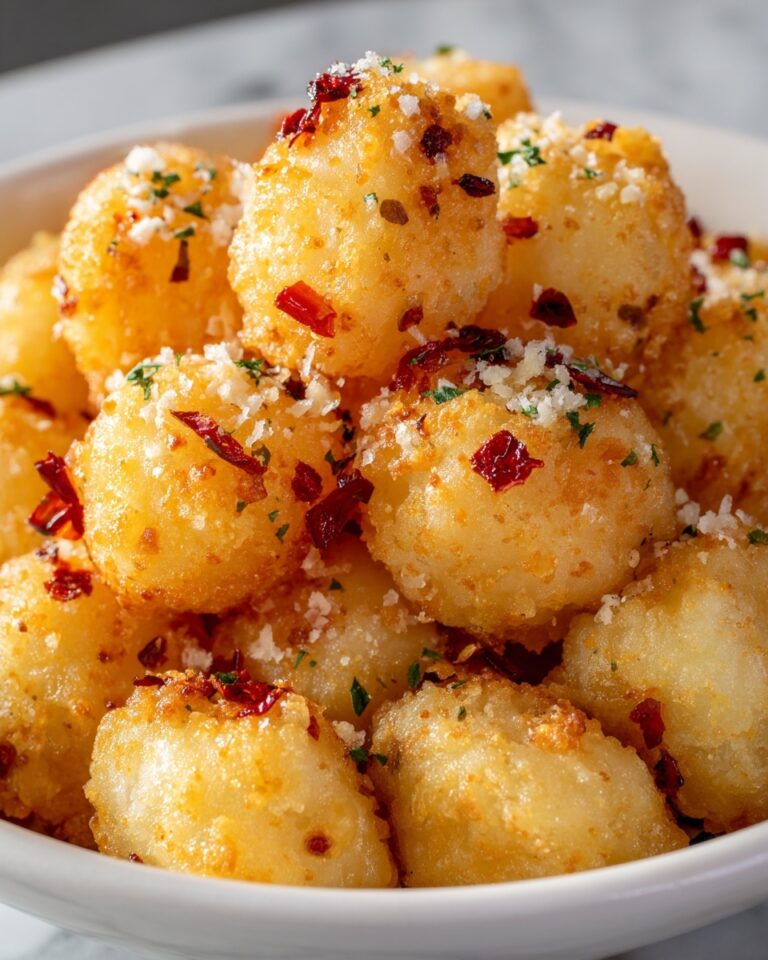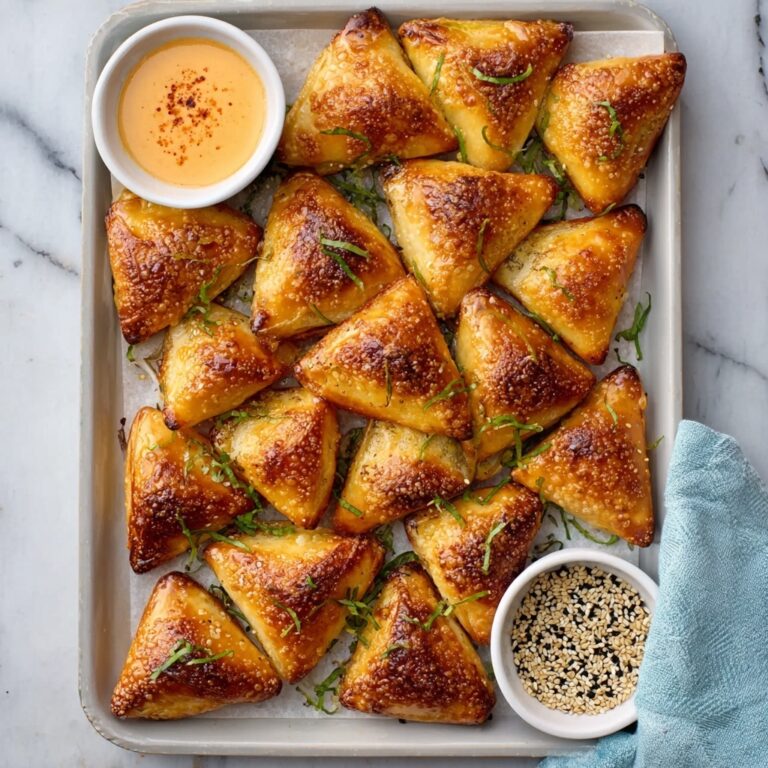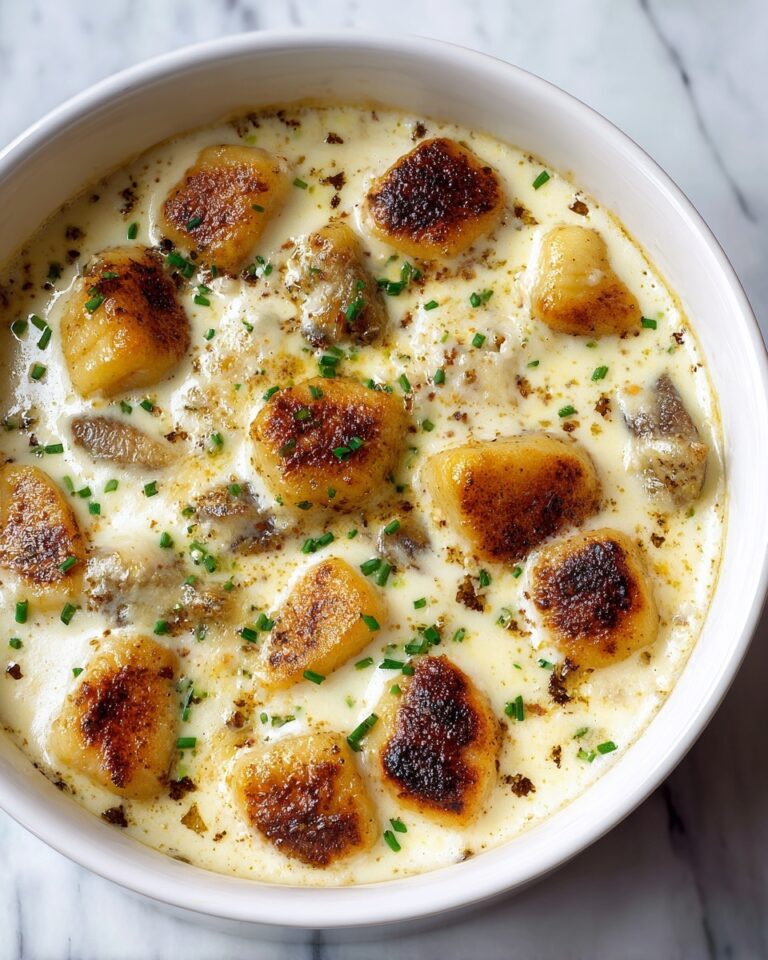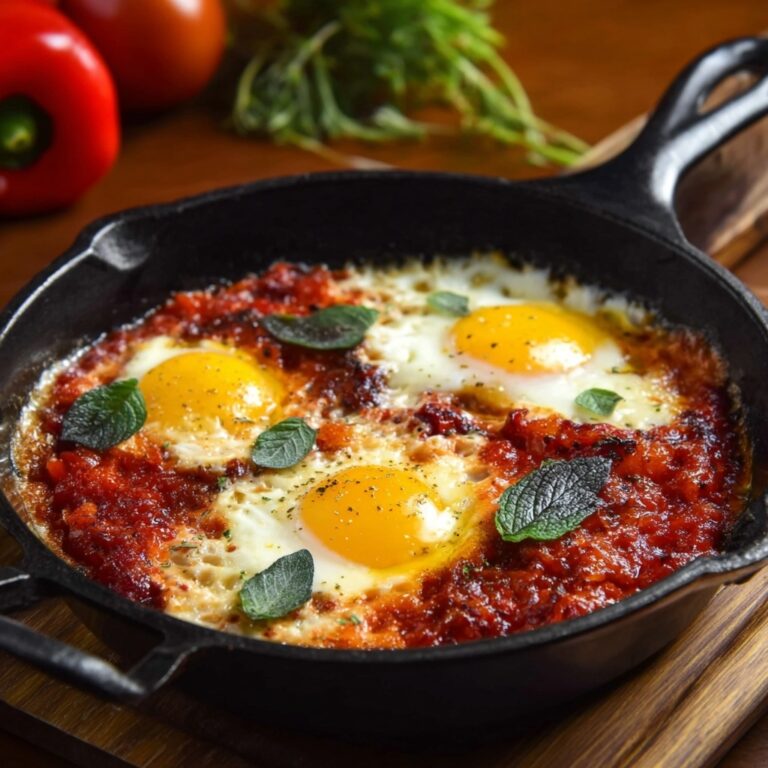
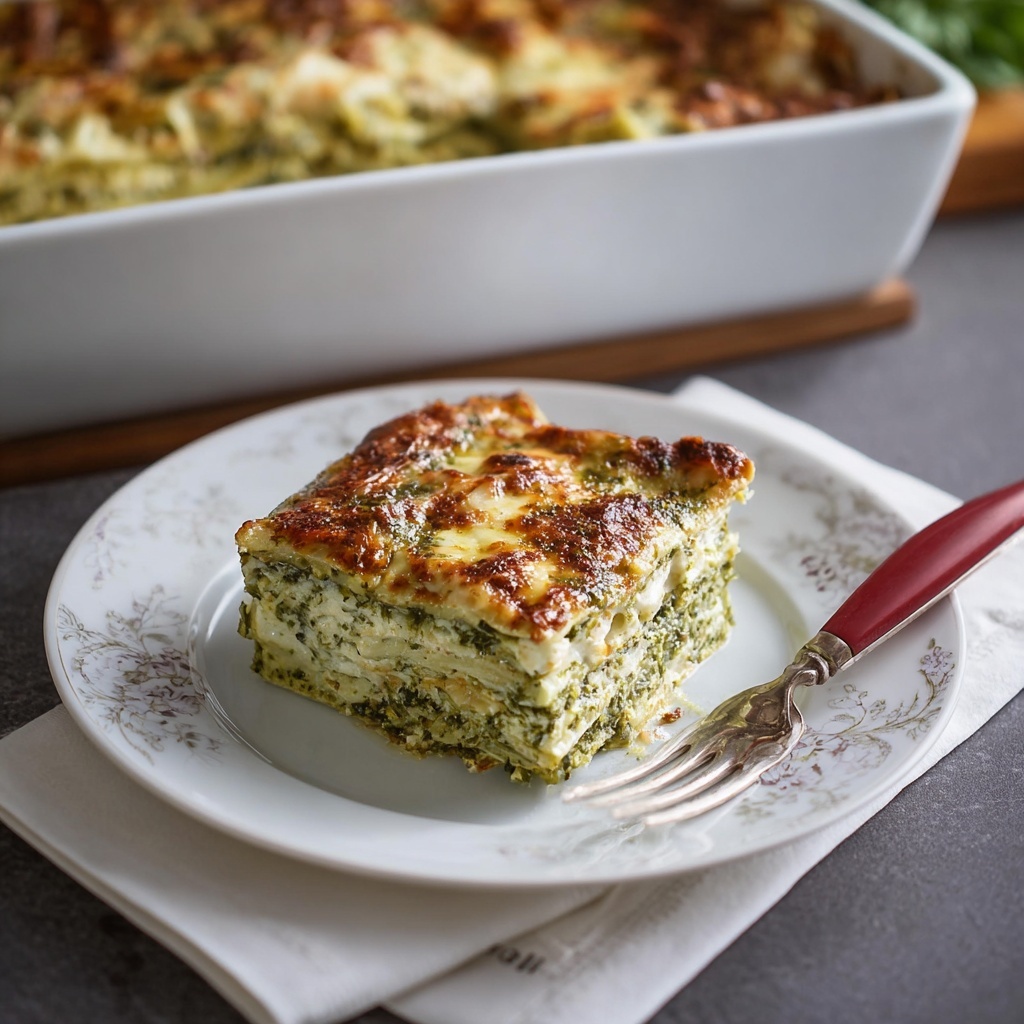
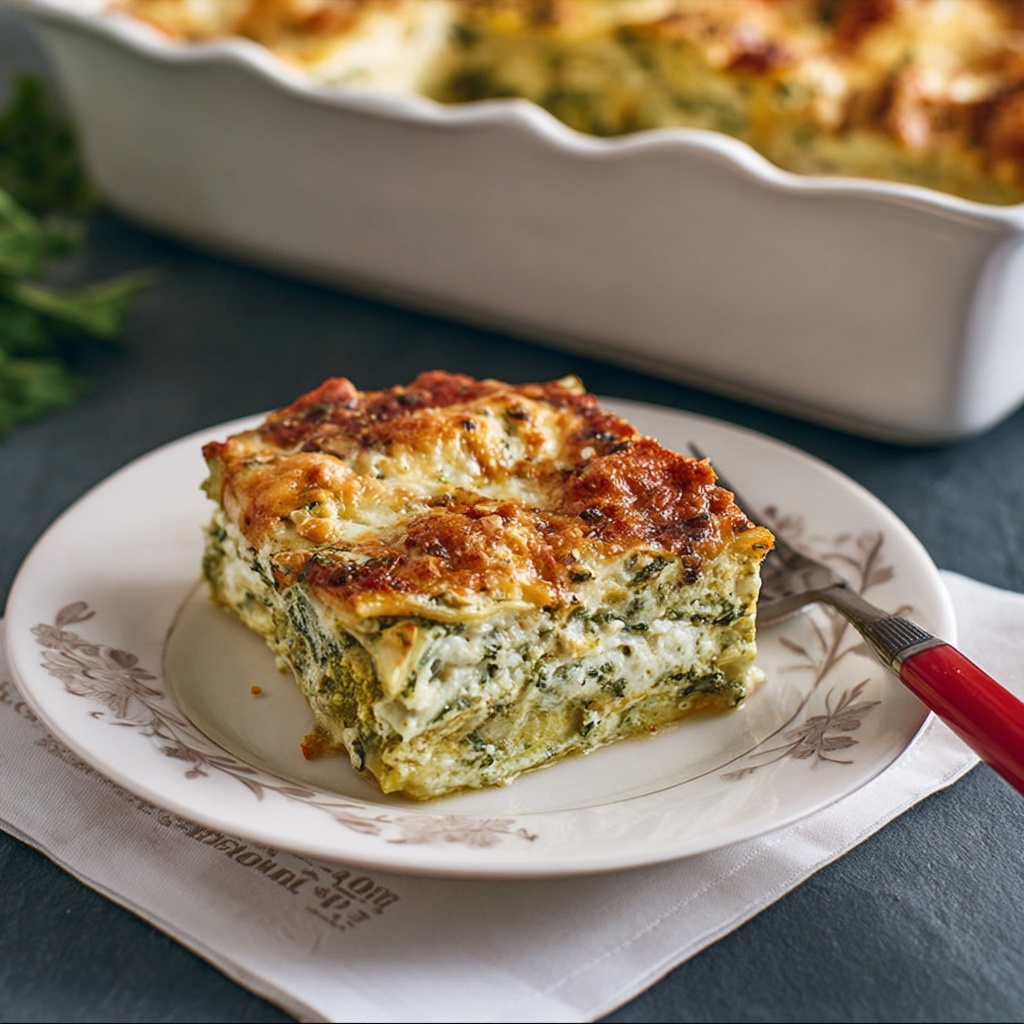
If you are craving a dish that combines the vibrant flavors of fresh basil pesto with the rich creaminess of homemade béchamel and delicate sheets of fresh pasta, then you absolutely must try this Lasagnes au Pesto Recipe. It’s a celebration of traditional Italian flavors, crafted from scratch with love and attention to every detail, creating layers of pure delight that melt in your mouth. Each bite bursts with herbaceous pesto, nutty cheeses, and silky textures that make this dish a standout centerpiece for any meal. Whether you are cooking for family or friends, this recipe brings a touch of artisan charm and indulgence to your table.
Ingredients You’ll Need
This Lasagnes au Pesto Recipe calls for simple yet essential ingredients, each playing a vital role in delivering the perfect balance of taste, texture, and color. From the bright green basil leaves to the creamy béchamel sauce, you’ll see how these basics come together magically.
- Farine type 00 (200 g): A finely milled flour essential for smooth, tender pasta dough.
- Œufs (2 moyennes, 120 g): Bind the pasta ingredients and bring richness.
- Ail (½ gousse): Adds a subtle savory kick to the pesto without overpowering it.
- Gros sel (2 pincées): Helps season and firm up the pesto texture during grinding.
- Huile d’olive extra vierge (200 g): The secret to that rich, velvety pesto consistency and flavor.
- Basilic (100 g): Fresh basil leaves are the heart of the pesto’s fresh and fragrant aroma.
- Pecorino râpé (60 g): Adds a sharp, salty note to complement the basil.
- Parmigiano Reggiano AOP râpé (140 g): Deeply savory and umami-rich, perfect for layering and topping.
- Pignons de pin (30 g): Provide a lovely nutty crunch and body to the pesto.
- Beurre (100 g): Creates a silky base for the béchamel sauce.
- Sel fin (à volonté): Season to taste for all components ensuring perfect balance.
- Noix de muscade (à râper à volonté): Adds warm, aromatic depth to the béchamel.
- Farine type 00 (100 g): Used again to thicken the béchamel smoothly.
- Lait entier (1 l): For creating the creamy béchamel sauce that ties all layers together.
- Parmigiano Reggiano AOP à râper (80 g): Sprinkled into the béchamel and layered for extra cheesy goodness.
How to Make Lasagnes au Pesto Recipe
Step 1: Prepare the Pesto
Start by crafting an authentically fresh pesto by gently crushing peeled garlic with coarse salt in a mortar, creating a fragrant paste. Next, add basil leaves carefully cleaned with a cloth (never rinsed) and continue pounding them to release their aromatic oils. Incorporate pine nuts and the grated Pecorino and Parmigiano cheeses, mixing slowly. Drizzle in extra virgin olive oil gradually, stirring until you get a luscious, smooth sauce packed with herbal and nutty flavors. Alternatively, you can pulse quickly in a cooled blender to preserve the vibrant green color.
Step 2: Make the Fresh Pasta Dough
Place sifted 00 flour in a large bowl, reserving a small portion to add if necessary. Crack in the eggs and start gently combining with a fork, gradually folding the flour into the eggs. When the mixture thickens, knead by hand vigorously for at least 10 minutes until the dough becomes soft, elastic, and homogeneous. Shape it into a ball, wrap in plastic, and let it rest somewhere cool and dry for about 30 minutes to develop that perfect texture.
Step 3: Prepare the Béchamel Sauce
Warm the whole milk on the stovetop while melting butter gently in a separate pan. Once melted, remove from the heat and whisk in the sifted flour little by little, blending until smooth to avoid any lumps. Return the mixture to low heat, stirring constantly until it turns a gentle golden hue. Season with freshly grated nutmeg and fine salt, then gradually whisk in the hot milk. Continue cooking for 5-6 minutes until the sauce thickens and just begins to bubble, then transfer it to a bowl to cool slightly.
Step 4: Roll and Cut Pasta Sheets
Dust your work surface lightly with flour and split the dough into two parts. Wrap one half tightly to keep moist, and roll out the other using a pasta machine or a rolling pin in stages, starting thick and working down to a very thin sheet about 2 mm thick. Trim into roughly 10 by 15 cm rectangles with a dough cutter or smooth pastry wheel. Dust each sheet with flour, then set aside on a tray to prevent sticking.
Step 5: Blanch the Pasta Sheets
Bring a large pot of lightly salted water to a boil. Immerse a few sheets at a time for one minute to soften and par-cook them. Immediately drain and transfer to a tray coated with a slight brush of olive oil to prevent sticking. Optionally, plunge the sheets into cold water briefly to halt cooking if you prefer a more elastic bite.
Step 6: Assemble the Lasagne
Lightly oil your 30×20 cm baking dish. Start with a spoonful of béchamel spread evenly across the bottom, followed by a generous layer of pesto. Place three pasta sheets slightly overlapping on top. Repeat layering—from béchamel and pesto to pasta sheets—until you create six layers of pasta, each consisting of three sheets. Remember to sprinkle grated Parmesan between layers to add depth.
Step 7: Finish and Bake
For the final top layer, use four pasta sheets arranged horizontally. Coat with the remaining béchamel and pesto mixture, blending them for a silky finish. Generously sprinkle the top with Parmesan cheese for that golden crust. Bake your lasagnes au pesto in a preheated static oven at 180°C for 15 minutes, then switch to grill mode for 5 minutes for a beautifully browned and bubbly topping. Allow to cool slightly before serving to let the layers settle perfectly.
How to Serve Lasagnes au Pesto Recipe
Garnishes
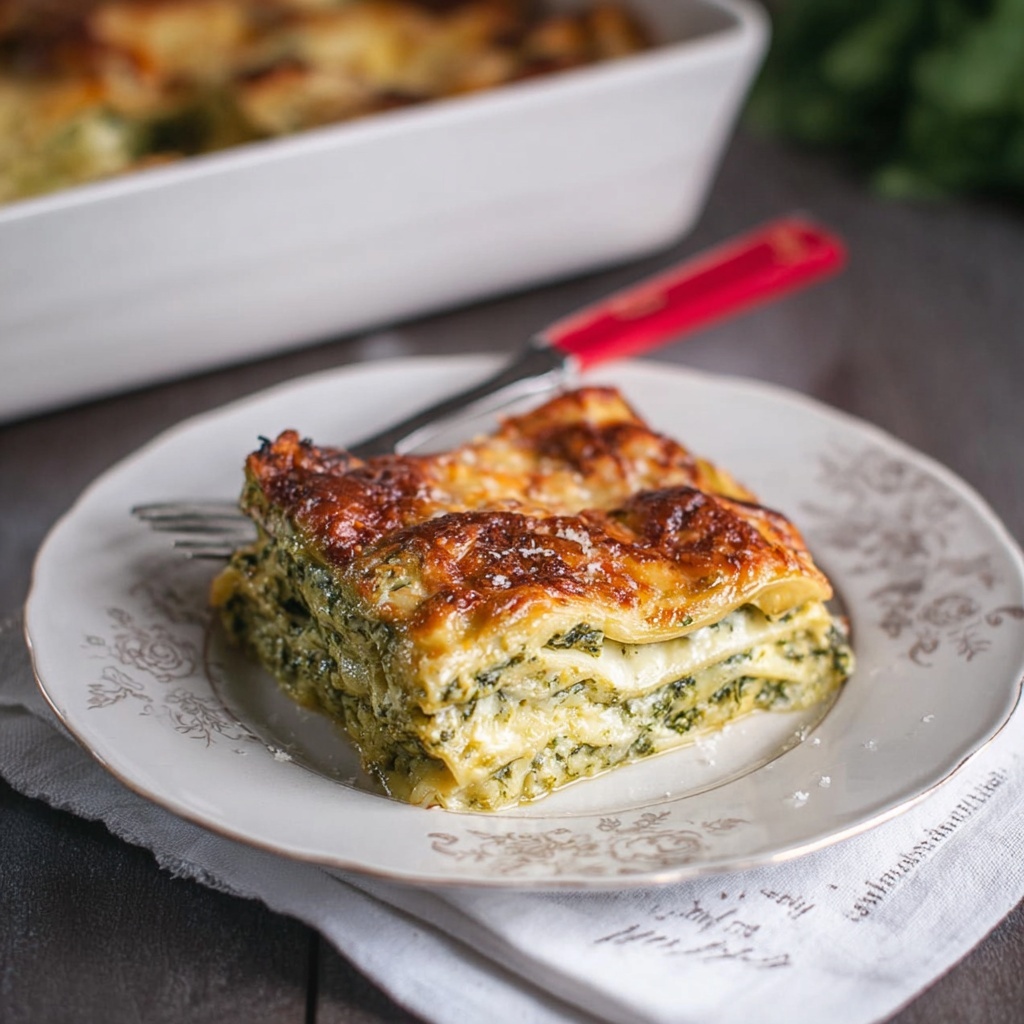
Fresh basil leaves scattered on top add a burst of color and reinforce the pesto aroma beautifully. You can also sprinkle additional toasted pine nuts for extra texture and a subtle crunch that complements the creamy lasagna layers.
Side Dishes
This dish pairs wonderfully with a crisp, simple green salad dressed with lemon vinaigrette to cut through the richness. Roasted cherry tomatoes or grilled seasonal vegetables also make bright, fresh companions that enhance the meal’s harmony.
Creative Ways to Present
For a special occasion, serve individual portions in rustic ramekins or deep plates, finishing each with a delicate drizzle of good-quality olive oil and a dusting of finely grated Parmesan. A small glass of chilled white wine, such as Pinot Grigio, will elevate the dining experience even further.
Make Ahead and Storage
Storing Leftovers
Once cooled, wrap your lasagnes au pesto tightly with plastic wrap or transfer to an airtight container. It will keep well in the refrigerator for up to 3 days without losing the integrity of its flavors or textures.
Freezing
This recipe freezes beautifully. Portion into airtight containers before freezing and it can be stored for up to 2 months. Thaw overnight in the fridge before reheating to preserve the delicate fresh basil notes in the pesto.
Reheating
Reheat leftovers in a moderate oven at 160°C until warmed through, usually 20-25 minutes. Avoid microwaving if possible, to keep the pasta’s texture intact and the béchamel creamy rather than rubbery.
FAQs
Can I use store-bought pesto for this recipe?
While homemade pesto is highly recommended for its fresh flavor and control over ingredients, store-bought pesto can be a convenient alternative. Just be sure to choose a high-quality version to keep the authentic taste intact.
Do I have to make fresh pasta or can I use dried sheets?
Fresh pasta makes this lasagne exceptionally tender and delicate, but if you’re short on time, good-quality dried lasagna sheets can also work. You will need to adjust boiling times accordingly to avoid overcooking.
Is it possible to prepare this recipe without a mortar and pestle?
Absolutely! You can use a blender or food processor to prepare the pesto, just remember to pulse briefly and chill the blades beforehand to keep the basil bright and prevent oxidation.
Can I substitute Pecorino cheese if I can’t find it?
Pecorino adds a lovely tangy saltiness, but if it’s unavailable, Parmesan or Grana Padano can be a fine substitute—just expect a slightly milder taste.
How long does the full preparation and cooking take?
From start to finish, including making fresh pasta, pesto, béchamel, assembly, and baking, expect about 1 hour and 20 minutes. It’s a bit of a labor of love but absolutely worth the effort for a truly special meal.
Final Thoughts
There is something truly rewarding about making Lasagnes au Pesto Recipe from scratch — the freshness of the pesto, the creaminess of the béchamel, and those tender, homemade pasta sheets all come together in a symphony of Italian comfort food. This recipe is perfect for when you want to show off your culinary skills and treat your loved ones to an unforgettable meal. Trust me, once you try it, this dish will become one of your cherished favorites too, promising layers of happiness in every bite.
Print
Lasagnes au Pesto Recipe
- Prep Time: 40 minutes
- Cook Time: 40 minutes
- Total Time: 1 hour 20 minutes
- Yield: 6 servings
- Category: Main Dish
- Method: Baking
- Cuisine: Italian
Description
Discover the authentic Italian flavors with this detailed recipe for Lasagnes au Pesto. Combining fresh homemade pasta sheets, rich béchamel sauce, and a vibrant homemade basil pesto, this dish is a perfect harmony of creamy, cheesy, and herbaceous notes. Ideal for a cozy family dinner, these lasagnes are baked to a golden finish with a delightful crust of melted Parmigiano Reggiano.
Ingredients
For the Fresh Pasta Dough:
- 200 g Farine type 00 (double zero flour), plus extra for dusting
- 2 medium eggs (120 g)
- Pinch of fine salt
For the Pesto Sauce:
- ½ clove garlic
- 2 pinches coarse salt
- 100 g fresh basil leaves
- 30 g pine nuts
- 60 g grated Pecorino cheese
- 140 g grated Parmigiano Reggiano AOP cheese
- 200 g extra virgin olive oil
For the Béchamel Sauce:
- 100 g Farine type 00 (double zero flour)
- 100 g butter
- 1 liter whole milk
- 80 g grated Parmigiano Reggiano AOP cheese
- Salt to taste
- Nutmeg, freshly grated, to taste
Additional:
- Olive oil for greasing and coating pasta sheets
Instructions
- Prepare the pesto: Clean basil leaves with a dry cloth without washing. Using a mortar and pestle, crush peeled garlic with coarse salt until creamy. Add basil leaves with more coarse salt and crush by rotating the pestle and mortar in opposite directions. Add pine nuts and grated Pecorino and Parmigiano Reggiano cheeses while continuing to press. Slowly drizzle in olive oil, mixing continuously until obtaining a homogeneous sauce. Alternatively, use a chilled blender, pulsing briefly to avoid basil oxidation.
- Set aside the pesto: Reserve the prepared pesto. If using a blender, ensure blades are cold and mix briefly. Now, prepare the pasta dough by sifting flour into a bowl, reserving about 30-40 g to add as needed. Add eggs and gently mix with a fork, gradually incorporating flour into the eggs.
- Knead the pasta dough: Using hands, knead the dough for at least 10 minutes until soft and smooth. Form into a ball, wrap in plastic wrap, and let rest in a cool, dry place for approximately 30 minutes. Meanwhile, prepare the béchamel sauce.
- Make the béchamel sauce: Heat milk in a saucepan. In another pan, melt butter over low heat, then turn off the heat and gradually add sifted flour, whisking constantly to prevent lumps. Return pan to low heat and cook until the mixture turns lightly golden.
- Add milk to béchamel: Season milk with grated nutmeg and salt. Slowly pour milk into the butter-flour mixture, whisking vigorously. Cook on low heat for 5-6 minutes, stirring continuously until the sauce thickens and starts to boil. Pour the béchamel into a bowl and allow to cool.
- Roll out the pasta: Retrieve rested dough, lightly dust with flour, and divide into two portions. Wrap unused portion in plastic wrap to prevent drying. Roll out dough with a pasta machine, starting from the widest to the thinnest setting, achieving approximately 2 mm thickness. Cut the sheets into 22 rectangles of 10×15 cm using a smooth pastry wheel or knife. Lay sheets on a floured tray to prevent sticking.
- Cook pasta sheets: Boil a large pot of salted water and blanch pasta sheets for 1 minute. Drain and place on a tray, brushing lightly with oil to avoid sticking. Optionally, immerse briefly in cold water to stop cooking.
- Assemble the lasagnes: Lightly oil a 30×20 cm baking dish. Spread a layer of béchamel followed by pesto. Arrange 3 pasta sheets slightly overlapping atop the sauces.
- Layer sauces and pasta: Cover with béchamel and pesto, spreading evenly with a spoon. Sprinkle with grated cheese. Repeat layering pasta sheets (3 per layer), béchamel, pesto, and grated cheese until ingredients are used, forming 6 layers total.
- Final layer preparation: Top with 4 pasta sheets placed horizontally. Spread béchamel and pesto, blending sauces to a creamy consistency. Finish with a final sprinkle of grated cheese.
- Bake the lasagnes: Bake in a preheated static oven at 180°C (356°F) for 15 minutes. Then, switch to grill mode for an additional 5 minutes to brown the top. For a softer surface, omit the grill step.
- Serve: Remove from oven, allow to cool slightly, then serve the lasagnes au pesto warm and enjoy.
Notes
- Basil leaves should never be washed with water to preserve their aroma; clean with a dry cloth instead.
- When preparing pesto with a blender, pulse briefly and keep blades cooled to avoid oxidation and bitterness.
- Resting the pasta dough is crucial for elasticity and easier rolling.
- Blanching pasta sheets before assembly prevents overcooking during baking and helps layering.
- Use high-quality Parmigiano Reggiano and Pecorino for authentic flavor.
- The béchamel sauce can be made ahead and refrigerated until use.
- The final grilling step crisps the top layer, but can be skipped for a softer lasagne surface.
- If a pasta machine is unavailable, roll dough thinly by hand with a rolling pin.