If you’ve ever dreamed of crafting the perfect homemade pizza from scratch, you’ll fall head over heels for this Classic Pizza Dough Recipe. It’s wonderfully simple yet so rewarding to make, producing a dough that’s light, chewy, and crisp just as a great pizza base should be. Whether you’re entertaining friends, having a family night, or simply craving a hand-crafted pie, this recipe delivers that authentic pizzeria taste right in your kitchen.
Ingredients You’ll Need
It’s amazing how just a handful of humble ingredients come together to create a dough that’s both tender and robust, serving as the perfect canvas for any pizza topping. Each ingredient plays a vital role, from fluffy texture to subtle flavor and golden crust.
- All-purpose flour: The backbone of your dough, providing structure and chewiness.
- Active dry yeast: The magical leavening agent that makes your dough rise beautifully and develop flavor.
- Granulated sugar: A small touch to feed the yeast and help the dough brown when baked.
- Warm water: Activates the yeast and hydrates the flour for a smooth dough.
- Olive oil: Adds richness and keeps the dough soft and elastic.
- Salt: Enhances the flavor, balancing all the other ingredients perfectly.
How to Make Classic Pizza Dough Recipe
Step 1: Activate the Yeast
Begin by combining warm water, sugar, and active dry yeast in a mixing bowl. Stir gently to dissolve the sugar and help the yeast wake up. Let it rest for 5 to 10 minutes until it forms a frothy, bubbly surface—that’s the sign your yeast is alive and ready to work its wonders.
Step 2: Mix the Dry Ingredients
While the yeast activates, sift together the all-purpose flour and salt in a separate large bowl. Sifting not only removes lumps but also aerates the flour to make the dough lighter and easier to knead.
Step 3: Combine Wet and Dry
Create a well in the center of your flour and salt mixture, then pour in the frothy yeast mixture along with olive oil. This approach helps gradually incorporate the wet ingredients into the flour for a more manageable dough.
Step 4: Form the Dough
Start mixing with a spoon or your hands until it pulls together into a rough dough. Don’t be alarmed if it looks shaggy—that’s completely normal at this stage. It will become smooth with kneading.
Step 5: Knead to Perfection
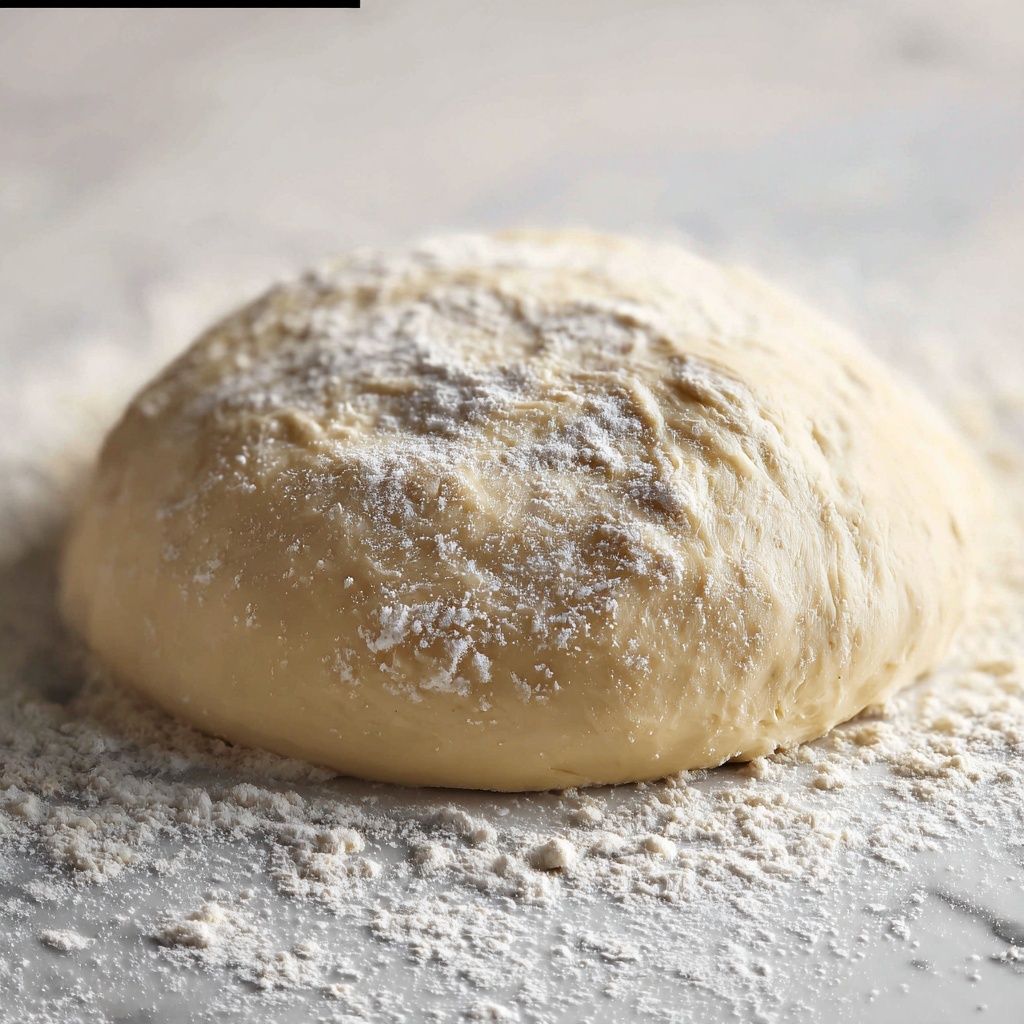
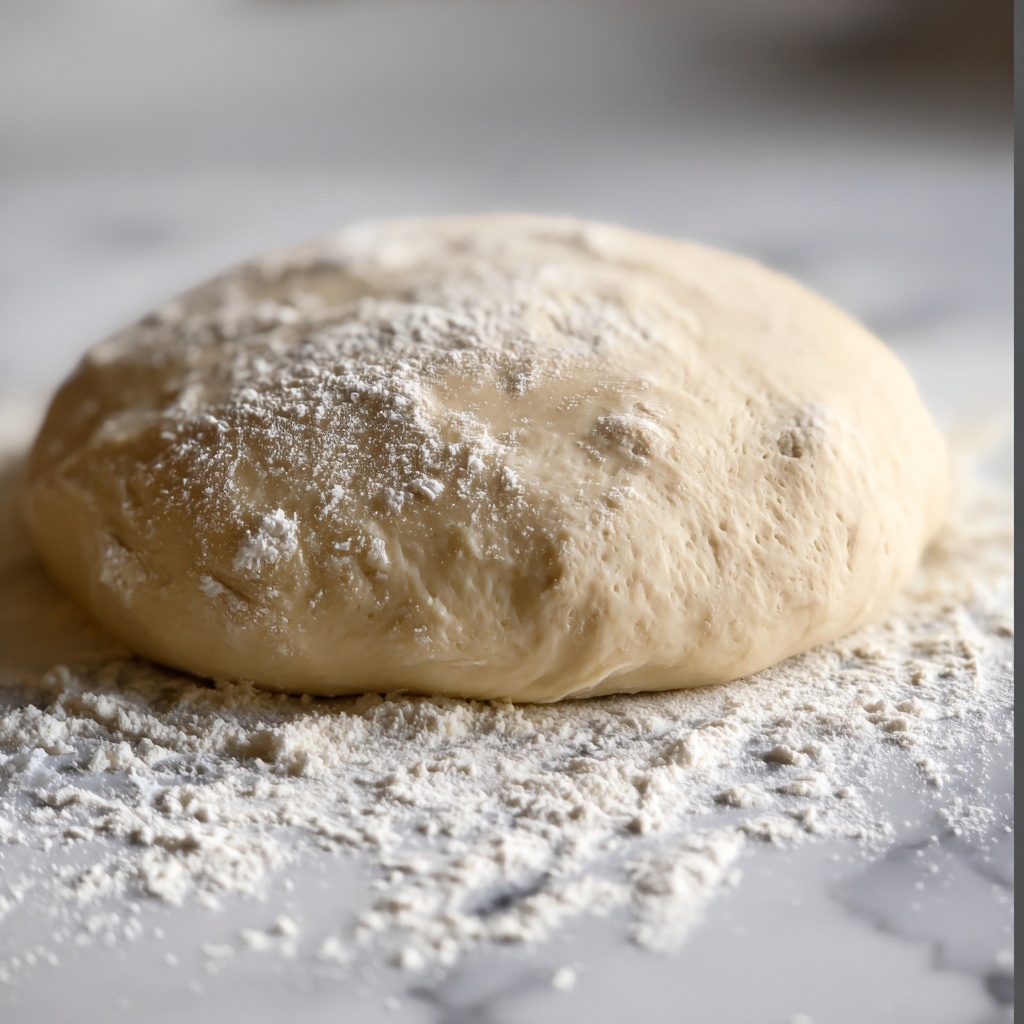
Turn the dough onto a floured surface and knead diligently for 8 to 10 minutes. You’ll want it smooth, elastic, and just slightly tacky. This kneading develops the gluten network that gives pizza crust its signature texture.
Step 6: Let it Rise
Place your dough in a lightly oiled bowl to prevent sticking, then cover with a clean towel or plastic wrap. Set it somewhere warm and let it rise for 1 to 2 hours until it doubles in size. This wait time is crucial for flavor development and that airy crumb we all love.
Step 7: Shape and Roll
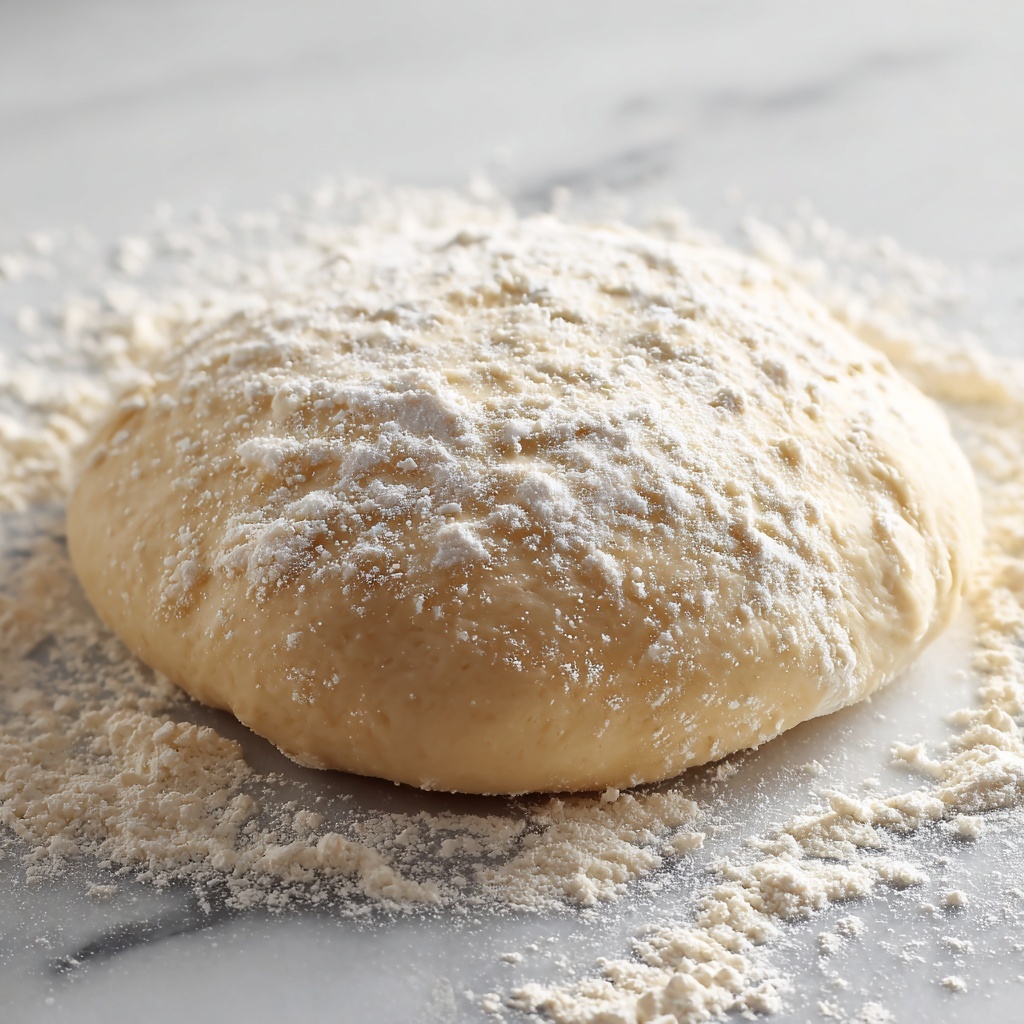
After rising, gently punch down the dough to release air bubbles, knead it briefly to redistribute, and divide as needed. Then roll it out to your favorite thickness—thin and crispy or thick and pillowy—the choice is all yours to match your pizza night cravings.
How to Serve Classic Pizza Dough Recipe
Garnishes
One of the joys of pizza is customizing your toppings. Consider classic options like fresh mozzarella, basil leaves, and ripe tomatoes, or get adventurous with veggies, meats, and cheeses. The dough acts as a perfect blank slate to showcase fresh, vibrant ingredients.
Side Dishes
Serve your pizza with simple sides to complement its warmth and flavors. A crisp green salad with a light vinaigrette or garlic-roasted vegetables is a perfect match. Don’t forget dipping sauces like a creamy ranch or spicy chili oil for extra oomph.
Creative Ways to Present
Turn your pizza dough into more than just a pie. Try calzones stuffed with your favorite fillings, or roll the dough into breadsticks brushed with garlic butter. For a fun twist, create a dessert pizza with a drizzle of chocolate and fresh fruit on top of the golden crust.
Make Ahead and Storage
Storing Leftovers
If you’ve made more dough than you need, wrap the leftovers tightly in plastic wrap and store in the refrigerator for up to 2 days. This rests the dough and slows yeast activity, keeping it fresh for your next pizza adventure.
Freezing
You can also freeze the dough for up to 3 months. Just shape it into a ball, wrap securely, and pop it in a freezer bag. When ready to use, thaw it overnight in the fridge before bringing to room temperature and rolling out.
Reheating
If you want to reheat cooked pizza that used this dough, a quick 5-minute bake in a hot oven or a brief stint in a skillet helps revive the crispness and chewiness as if it were freshly baked.
FAQs
Can I use bread flour instead of all-purpose flour?
Absolutely! Bread flour has higher protein content which can make your dough even chewier and more elastic, perfect if you prefer a heartier crust.
What if I don’t have active dry yeast? Can I use instant yeast?
Yes, instant yeast can be used. It mixes directly with dry ingredients without proofing. Just reduce the amount slightly and add it with the flour and salt.
How warm should the water be for activating yeast?
Warm water should feel like a comfortable bath—around 100 to 110 degrees Fahrenheit—warm enough to activate the yeast but not so hot that it kills it.
Can I make the dough without olive oil?
While olive oil adds flavor and tenderness, you can omit it or substitute with another oil like vegetable or canola. The texture may change a bit but it will still work.
Why does my dough sometimes turn out too sticky or dry?
Flour measurements can vary by brand and humidity. If your dough is sticky, dust more flour little by little; if dry and crumbly, add small amounts of water. The goal is a soft, elastic dough that’s easy to handle.
Final Thoughts
I cannot recommend enough giving this Classic Pizza Dough Recipe a try—you’ll be amazed how a few simple ingredients and a little hands-on effort can create something truly special. Homemade pizza night becomes a joyous event when you start with a dough this reliable and delicious. So grab your rolling pin, gather your favorite toppings, and enjoy the warm satisfaction of your own crafted pizza crust.
Print
Classic Pizza Dough Recipe
- Prep Time: 15 minutes
- Cook Time: 0 minutes
- Total Time: 1 hour 30 minutes to 2 hours 15 minutes (includes rising time)
- Yield: 2 medium pizza crusts
- Category: Bread
- Method: Stovetop
- Cuisine: Italian
Description
This classic pizza dough recipe yields a soft, elastic base perfect for your favorite homemade pizzas. Made with simple ingredients like flour, yeast, and olive oil, it requires minimal preparation and rises to create a flavorful, airy crust ready for your favorite toppings.
Ingredients
Dry Ingredients
- 2 ¼ teaspoons (1 packet) active dry yeast
- 1 ½ cups warm water (about 110°F/43°C)
- 1 teaspoon granulated sugar
- 3 ½ cups all-purpose flour, sifted
- 1 ½ teaspoons salt
Wet Ingredients
- 2 tablespoons olive oil
Instructions
- Activate Yeast: Combine warm water, granulated sugar, and active dry yeast in a mixing bowl. Stir gently and let it rest for 5 to 10 minutes, until the mixture becomes frothy, indicating the yeast is activated.
- Prepare Dry Ingredients: In a separate large bowl, sift together the all-purpose flour and salt to ensure even mixing and a lighter dough texture.
- Combine Ingredients: Make a well in the center of the flour mixture. Pour in the frothy yeast mixture along with olive oil. Stir with a wooden spoon or spatula until a rough dough forms.
- Knead the Dough: Transfer the dough to a floured surface and knead for 8 to 10 minutes until the dough is smooth, elastic, and no longer sticky. This process develops gluten for a chewy crust.
- First Rise: Lightly oil a large bowl and place the dough inside, turning once to coat it with oil. Cover the bowl with a clean kitchen towel or plastic wrap and let it rise in a warm spot for 1 to 2 hours until it doubles in size.
- Punch Down Dough: Once risen, punch down the dough to release trapped air. Knead briefly on a floured surface to redistribute yeast and gases.
- Shape the Dough: Divide the dough as desired (e.g., into two portions for two pizzas), then roll each out to your preferred thickness and shape, ready for adding toppings and baking.
Notes
- Use warm water around 110°F (43°C) for best yeast activation; water that’s too hot can kill the yeast.
- Allowing the dough to rise in a draft-free, warm environment improves the rising process.
- You can refrigerate the dough after the first rise for up to 24 hours to develop more flavor.
- For a crispier crust, use bread flour instead of all-purpose flour.
- Make sure to knead long enough for gluten development, which gives structure and chewiness.