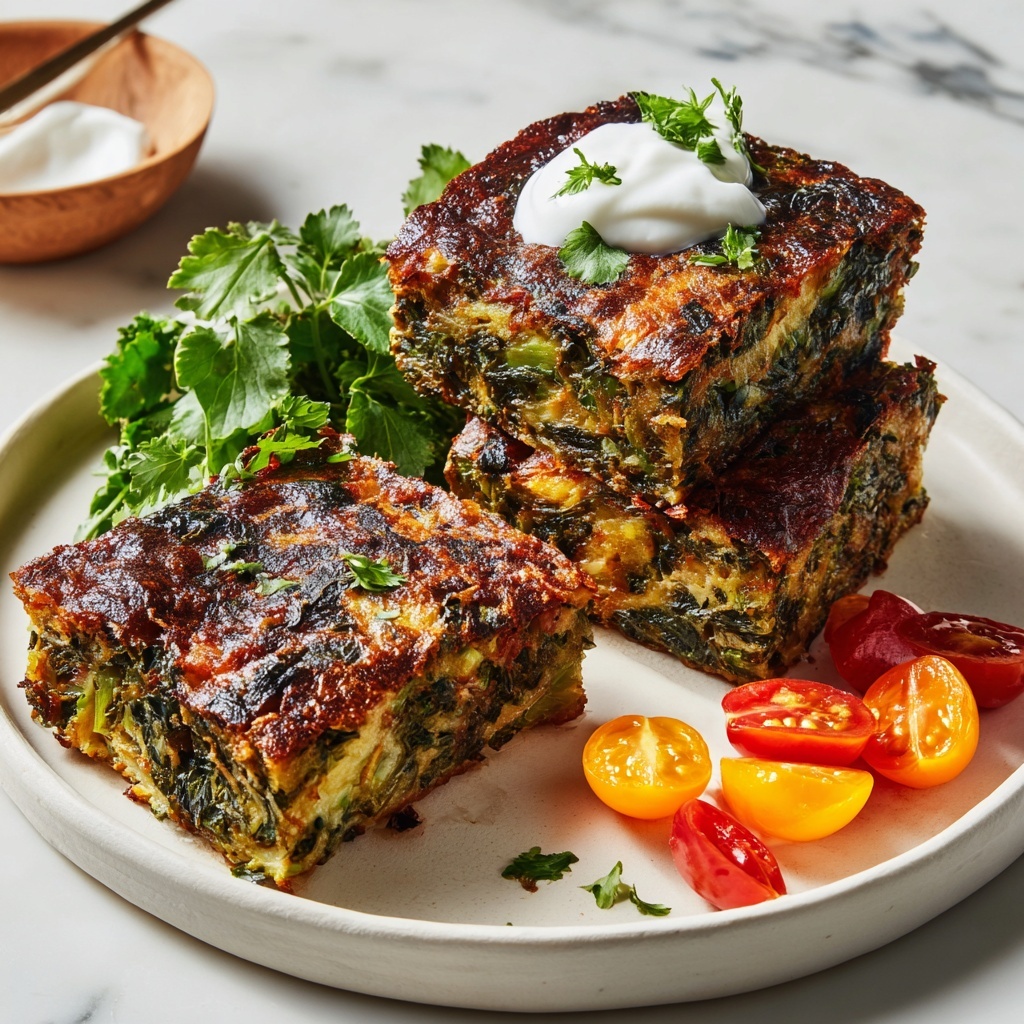
If you have never tasted **Kuku Sabzi (Persian Herb & Spinach Frittata) Recipe**, you are in for a delightful surprise. This vibrant, herb-packed frittata bursts with fresh flavors of parsley, cilantro, dill, and spinach, complemented by a golden, softly spiced egg base. It’s a dish that not only satisfies your taste buds but also brings a beautiful green glow to your plate, making it perfect for any time of the day. Whether you’re new to Persian cuisine or a seasoned fan, this recipe is a joyful way to savor wholesome, fresh ingredients in a simple yet unforgettable way.
Ingredients You’ll Need
Gathering the right ingredients is what sets this dish apart. Each herb and element contributes something special: freshness, texture, color, and that unmistakable Persian flair. Don’t worry—these ingredients are easy to find and come together in harmony to create a luscious, herby frittata.
- 1 cup fresh parsley, finely chopped: Adds a fresh, slightly peppery note that brightens the dish.
- 1 cup fresh cilantro, finely chopped: Offers a citrusy, vibrant flavor essential in Persian cooking.
- 1 cup fresh dill, finely chopped: Brings a mild, aromatic sweetness to balance the greens.
- 1 cup green onions (green parts only), finely chopped: Adds mild oniony sharpness without overpowering the herbs.
- 1 cup fresh spinach, finely chopped: Provides earthiness and rich green color, boosting the frittata’s nutrition.
- 6 large eggs: The binding base that holds all those delicious herbs together.
- 1 tablespoon all-purpose flour: Helps the mixture firm up nicely without weighing it down.
- 1 teaspoon baking powder: Gives a light fluffiness to the frittata’s texture.
- 1 teaspoon turmeric: Imparts a warm golden hue and subtle earthiness.
- ½ teaspoon salt: Enhances all the natural flavors, making every bite sing.
- ½ teaspoon black pepper: Adds gentle heat that balances the herbs.
- 2 tablespoons vegetable oil: For a perfectly cooked, lightly crisp exterior.
- ¼ cup walnuts (optional), chopped: Introduces a delightful crunch and nutty layer.
- ¼ cup barberries or dried cranberries (optional): A little tartness that lifts the overall flavor beautifully.
How to Make Kuku Sabzi (Persian Herb & Spinach Frittata) Recipe
Step 1: Prepare the Herb and Egg Mixture
Start by cracking the eggs into a large mixing bowl and whisking them until perfectly smooth. This ensures a silky texture for your kuku sabzi. Then, gently fold in your finely chopped parsley, cilantro, dill, green onions, and spinach, making sure every herb is well coated by the egg. Finally, sprinkle in the flour, baking powder, turmeric, salt, and pepper. Stir everything until you have a uniform mixture, bursting with colors and fragrant aromas. If you’re feeling adventurous, fold in the optional walnuts and barberries for extra depth and texture.
Step 2: Cook the Frittata on the Stove
Heat the vegetable oil in a non-stick skillet over medium heat. Once hot, pour in your vibrant mixture, spreading it evenly across the pan. Cover the pan and let it cook gently for about 10 to 12 minutes. You’ll notice the edges firming up and the bottom turning a beautiful golden shade. This slow cooking is key to developing flavor without burning the herbs. When the time is up, it’s time to flip your kuku—use a large plate or lid to invert the skillet contents, then slide it back into the pan to cook uncovered for another 8 to 10 minutes. The kuku should be fully cooked and hold together firmly but still moist inside.
Step 3: Rest and Slice
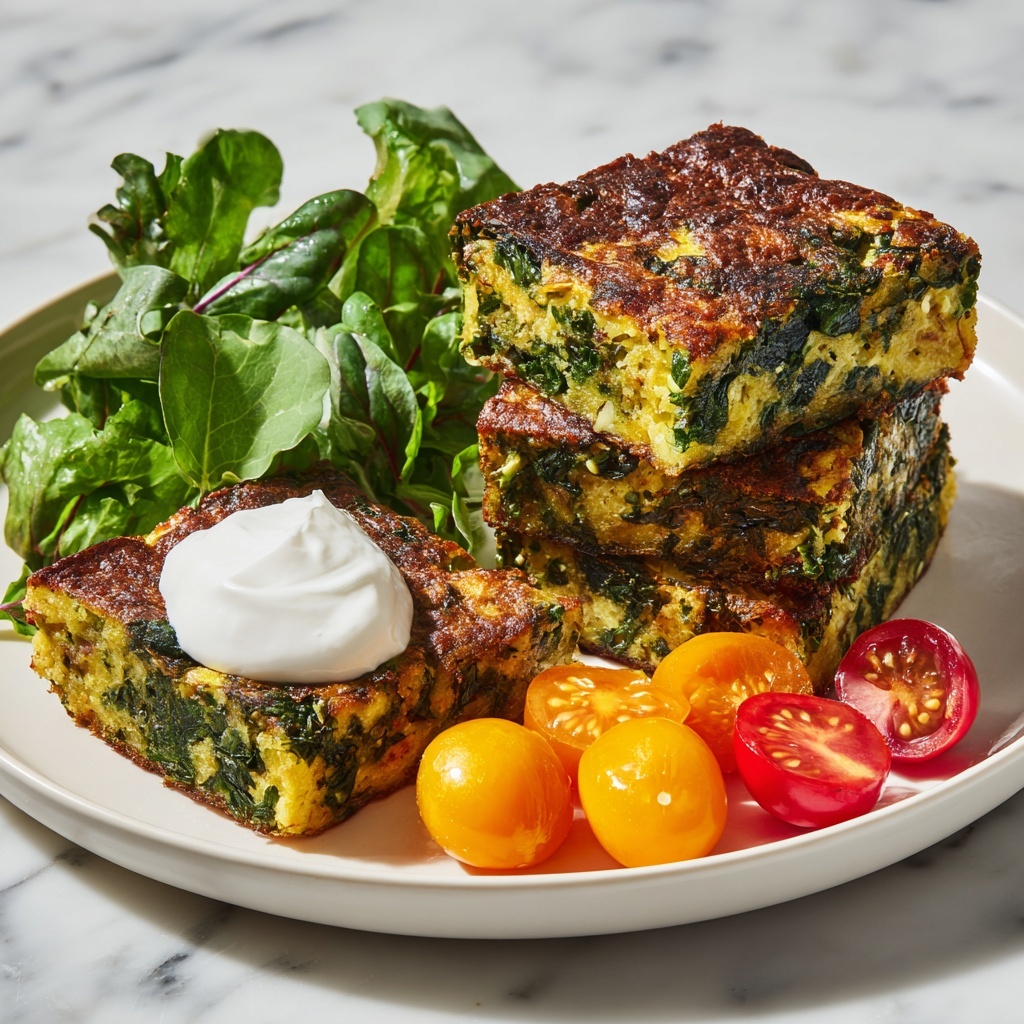
Once cooked, remove the kuku sabzi from the heat and let it cool slightly. This resting step allows the frittata to settle, making it easier to slice into beautiful wedges. You’ll be greeted by bright green herbs beautifully framed by golden, soft edges—a true feast for the eyes and palate.
How to Serve Kuku Sabzi (Persian Herb & Spinach Frittata) Recipe
Garnishes
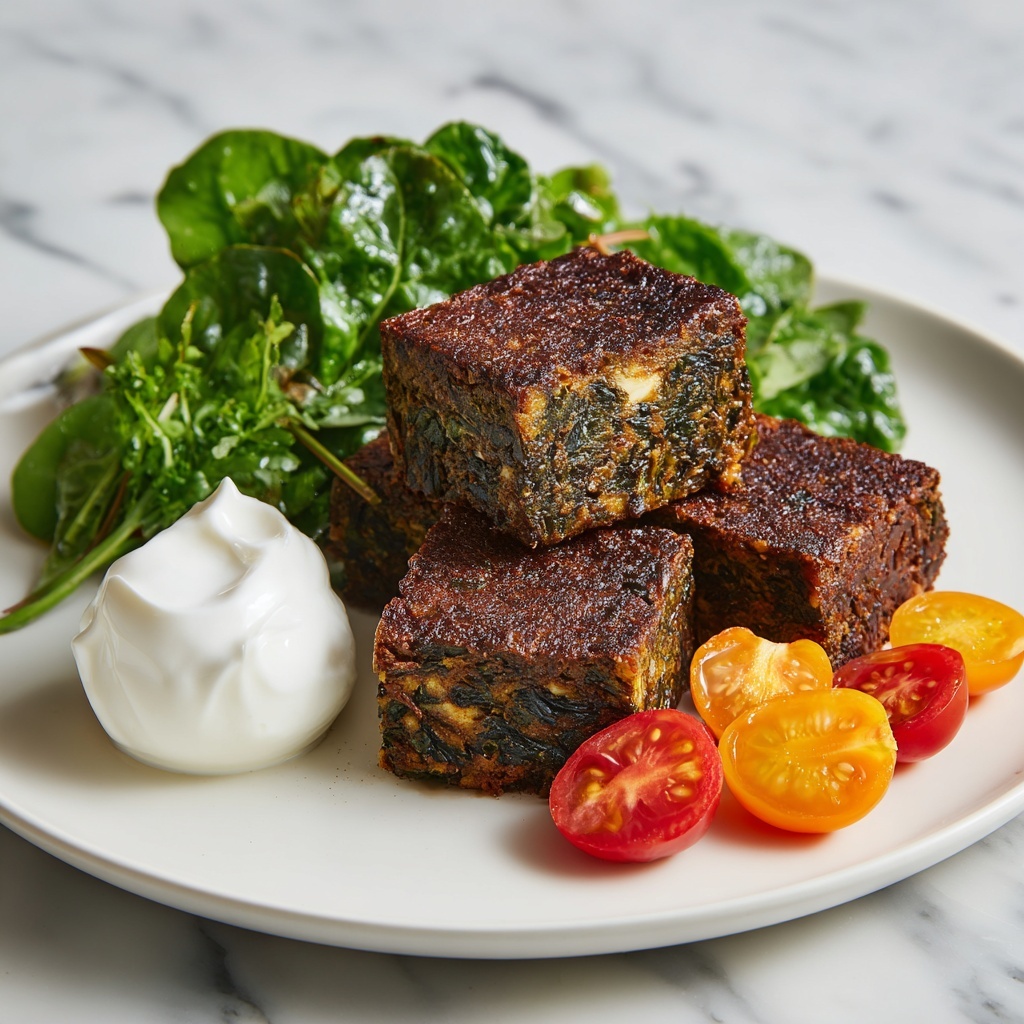
To truly elevate your kuku sabzi, fresh garnishes like a dollop of creamy yogurt, a sprinkle of fresh herbs, or even a squeeze of lemon juice add refreshing contrasts. These garnishes bring a burst of flavor and a bit of tang that perfectly complements the aromatic herb base.
Side Dishes
This frittata pairs brilliantly with traditional Persian bread such as lavash or sangak. A crisp cucumber and tomato salad or a side of pickled vegetables provides a cool, crunchy counterpoint that rounds out the meal beautifully. For a heartier option, consider serving with a dollop of mast-o-khiar, Persian yogurt mixed with cucumber and herbs.
Creative Ways to Present
Looking to impress your guests? Serve kuku sabzi wedges on a rustic wooden board with an assortment of olives, feta cheese, and warm bread. Or build a vibrant brunch platter combining the frittata, fresh herbs, nuts, and bright barberries for a colorful spread that invites everyone to dig in together.
Make Ahead and Storage
Storing Leftovers
Leftover kuku sabzi keeps very well in the refrigerator. Store it in an airtight container for up to 3 days. This makes it perfect for quick lunches or a light dinner when you’re short on time but don’t want to compromise on flavor.
Freezing
This dish freezes beautifully too. Slice it into wedges and place them on a parchment-lined tray to freeze individually. Once solid, transfer the wedges into a freezer-safe bag or container. They can be frozen for up to a month. Just be aware that the texture may be slightly softer after thawing but still delicious.
Reheating
For reheating, gently warm kuku sabzi in a non-stick pan over low heat to retain its crisp edges and fresh herb aroma. You can also microwave it, but cover it to keep it moist. Reheated kuku makes an easy, satisfying snack or meal.
FAQs
Can I use dried herbs instead of fresh for this recipe?
Yes, you can substitute dried herbs if fresh ones are not available. Use about one-third of the amount of dried herbs compared to fresh to avoid overpowering the dish. The flavor won’t be quite as vibrant, but the dish will still be delicious.
Is Kuku Sabzi suitable for a vegetarian diet?
Absolutely! This recipe is entirely vegetarian, featuring eggs and fresh herbs as its main elements. It’s perfect for those seeking a meatless meal packed with flavor and nutrition.
Can I add different nuts or fruits instead of walnuts and barberries?
Definitely. Feel free to experiment with other nuts like almonds or pistachios for crunch, and dried fruits like raisins or currants for a sweet-tart accent. Just keep the quantities moderate to maintain balance.
How do I flip the kuku without it breaking?
Using a large plate or lid to cover the skillet, invert the pan so the kuku falls onto the plate without breaking. Then, carefully slide it back into the pan to cook the other side. This technique helps keep the frittata intact and evenly cooked.
Can I make kuku sabzi gluten-free?
Yes! Simply replace the all-purpose flour with a gluten-free flour blend, and ensure your baking powder is gluten-free as well. This swap won’t affect the flavor and keeps the texture nice and firm.
Final Thoughts
There’s something truly special about sharing a dish like this **Kuku Sabzi (Persian Herb & Spinach Frittata) Recipe**—it’s a celebration of fresh herbs, simple ingredients, and timeless flavor. Whether served as a main course, brunch, or snack, it brings warmth, color, and joy to the table. I encourage you to give this recipe a try and discover how such humble ingredients can come together to create a memorable, nurturing meal for yourself and your loved ones.
Print
Kuku Sabzi (Persian Herb & Spinach Frittata) Recipe
- Prep Time: 15 minutes
- Cook Time: 20 minutes
- Total Time: 35 minutes
- Yield: 6 servings
- Category: Main Course
- Method: Stovetop
- Cuisine: Persian
- Diet: Vegetarian
Description
Kuku Sabzi is a vibrant Persian herb and spinach frittata packed with fresh parsley, cilantro, dill, green onions, and spinach. This savory egg dish is flavored with turmeric and optionally enriched with walnuts and barberries for a delightful texture and tartness. Cooked on the stovetop, it offers a healthy, protein-rich main course perfect for serving warm or at room temperature alongside yogurt or flatbread.
Ingredients
Herbs and Vegetables
- 1 cup fresh parsley, finely chopped
- 1 cup fresh cilantro, finely chopped
- 1 cup fresh dill, finely chopped
- 1 cup green onions (green parts only), finely chopped
- 1 cup fresh spinach, finely chopped
Dry Ingredients
- 1 tablespoon all-purpose flour
- 1 teaspoon baking powder
- 1 teaspoon turmeric
- ½ teaspoon salt
- ½ teaspoon black pepper
Other Ingredients
- 6 large eggs
- 2 tablespoons vegetable oil
- ¼ cup walnuts, chopped (optional)
- ¼ cup barberries or dried cranberries (optional)
Instructions
- Prepare the egg mixture: In a large mixing bowl, whisk the eggs until smooth. Add the chopped parsley, cilantro, dill, green onions, and spinach to the eggs and mix well.
- Add dry ingredients and optional additions: Stir in the flour, baking powder, turmeric, salt, and pepper until fully combined. If using, fold in the chopped walnuts and barberries or cranberries for added texture and flavor.
- Preheat the skillet: Heat the vegetable oil in a non-stick skillet over medium heat ensuring the pan is evenly coated.
- Cook the kuku: Pour the mixture into the skillet, spreading it evenly. Cover and cook for about 10–12 minutes until the bottom is set and lightly golden.
- Flip and finish cooking: Using a large plate or lid, carefully flip the kuku onto it, then slide it back into the pan to cook uncovered for another 8–10 minutes until fully cooked and firm.
- Rest and serve: Remove the kuku from heat and let it cool slightly before slicing into wedges. Serve warm or at room temperature with yogurt or flatbread.
Notes
- You can substitute dried herbs if fresh are not available, using one-third the amount.
- Serve kuku sabzi warm or at room temperature with yogurt or flatbread for a traditional pairing.
- For extra flavor, fry the barberries briefly in a bit of oil before adding them to the mixture.