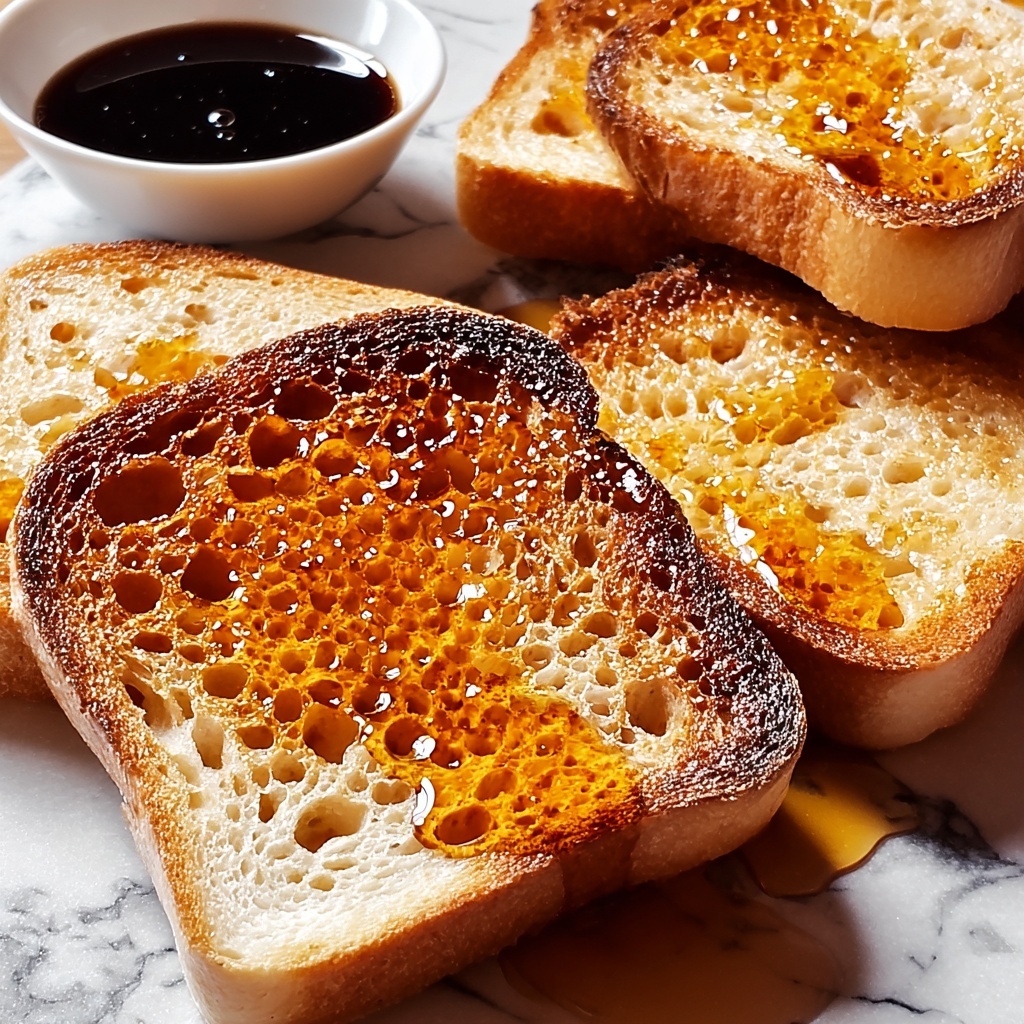
If you have ever dreamed of biting into the perfect morning toast with a beautifully soft crumb and that signature nooks-and-crannies texture, then this English Muffin Toasting Bread Recipe is exactly what you need. This recipe transforms the classic English muffin experience into a loaf form that you can slice and toast, offering the delicious taste and texture we all cherish but with the convenience of sandwich bread. It’s a bakery-worthy bread that’s surprisingly straightforward to make at home, delivering a fresh bread that sings with buttery richness and a crisp, golden crust every time.

Ingredients You’ll Need
The beauty of this English Muffin Toasting Bread Recipe lies in its simple ingredient list, each contributing to the bread’s wonderful texture and flavor. From the unbleached all-purpose flour that forms the structure to the combination of milk and water that ensures a tender crumb, every ingredient is essential to creating this delightful loaf.
- 3 cups (361g) unbleached all-purpose flour: This flour is the backbone of your bread, offering just the right protein content for a tender yet sturdy crumb.
- 1 tablespoon (14g) sugar: Adds a touch of sweetness and helps feed the yeast for a perfect rise.
- 1 ½ teaspoons salt: Essential for flavor balance and strengthening the dough.
- ¼ teaspoon baking soda: Contributes to the signature muffin-like texture by reacting with the acidic elements in the dough.
- 1 tablespoon instant yeast: The key to a fluffy rise without the fuss of proofing.
- 1 cup (227g) milk: Adds richness and tenderness to the bread.
- ¼ cup (57g) water: Helps hydrate the dough evenly and keeps it soft.
- 2 tablespoons (25g) vegetable oil or olive oil: Enhances the bread’s moistness and crust color.
- Cornmeal, for sprinkling: Provides that classic English muffin crunch on the crust and prevents sticking.
How to Make English Muffin Toasting Bread Recipe
Step 1: Mix Dry Ingredients
Start by whisking together the flour, sugar, salt, baking soda, and instant yeast in a large bowl. This ensures the leavening agents and seasonings are evenly distributed throughout the dough for consistent flavor and rise.
Step 2: Combine Wet Ingredients
In a microwave-safe bowl, mix the milk, water, and oil, then heat it gently to reach 120°F to 130°F. The warmth activates the yeast while the milk adds richness to the dough. Stir well before measuring to ensure even distribution of the ingredients.
Step 3: Mix Dough
Pour the warm liquid mixture over the dry ingredients and mix until everything comes together. Then, beat the dough at high speed for about one minute to develop a smooth and soft consistency. This step is crucial for creating the dough’s tender texture.
Step 4: Prepare Pan
Lightly grease an 8 ½” x 4 ½” loaf pan, then sprinkle cornmeal over the bottom and sides. This layer of cornmeal not only prevents sticking but also mimics the slight crunch found in traditional English muffins.
Step 5: Transfer Dough
Carefully scoop the dough into the prepared pan, smoothing the top to create an even surface. The dough will be soft and a little sticky, so a gentle hand goes a long way here.
Step 6: Let Dough Rise
Cover the pan with a clean towel or plastic wrap and let it rise in a warm spot for 45 to 60 minutes. You want the dough to just barely crown over the pan’s rim, signaling it’s perfectly proofed and ready for baking.
Step 7: Preheat Oven
While the dough is rising, preheat your oven to 400°F (200°C). A properly preheated oven ensures the crust will bake to a beautiful golden brown while the interior stays soft and fluffy.
Step 8: Bake
Remove the cover and place the loaf in the oven. Bake for 22 to 27 minutes until the crust turns golden and a thermometer inserted in the center reads 190°F. This careful baking time is what creates the delightful crust while fully cooking the bread throughout.
Step 9: Cool
Once baked, let the bread rest in the pan for about 5 minutes before transferring it onto a rack to cool completely. Cooling prevents sogginess and lets the crumb set beautifully, making slicing much easier.
How to Serve English Muffin Toasting Bread Recipe

Garnishes
To elevate your English Muffin Toasting Bread Recipe, consider simple, delicious garnishes like a light spread of butter melting into the warm toast or a slather of honey for a natural sweetness. For those who love savory, a sprinkle of melted cheese or a touch of garlic butter takes it to another level.
Side Dishes
This bread pairs wonderfully with classic brunch sides like scrambled eggs, crispy bacon, or creamy avocado slices. Because of its mild, versatile flavor, it’s also great alongside soups and salads where the toast can be used for dipping or complementing textures.
Creative Ways to Present
Slice your loaf thick and toast the slices, then create a layered English muffin sandwich using fried eggs, sausage patties, and a slice of cheddar. Alternatively, use the bread to make French toast—its airy texture soaks up the batter beautifully while the crust adds a nice crunch.
Make Ahead and Storage
Storing Leftovers
Your leftover English Muffin Toasting Bread Recipe will stay fresh on the counter for 2 to 3 days if stored in an airtight container or bread bag. This keeps the bread moist and prevents it from drying out too quickly.
Freezing
To enjoy the bread later, slice and freeze it in a zip-top bag. Freezing preserves freshness for up to 3 months and makes it super convenient to grab slices as you need them.
Reheating
Reheat slices in a toaster or oven to bring back the crispy edges and soft interior that make this bread irresistible. For a quick thaw, pop frozen slices straight into the toaster—no need to thaw beforehand.
FAQs
Can I use bread flour instead of all-purpose flour?
Yes, bread flour can be used, but it will produce a chewier texture due to its higher protein content. If you prefer a softer crumb, stick to all-purpose flour for your English Muffin Toasting Bread Recipe.
Why is there baking soda in the recipe?
Baking soda reacts with the acidic ingredients to create the classic nooks and crannies found in English muffins, giving this bread its unique texture and slight tang.
Can I substitute the milk for a non-dairy option?
Absolutely! Almond milk, soy milk, or oat milk work well in this recipe and will slightly alter the flavor, but the texture remains wonderfully tender.
Is instant yeast necessary, or can I use active dry yeast?
Instant yeast is preferred for its quick activation and ease of use without proofing. If you only have active dry yeast, proof it first in warm water before mixing it in.
How long does the rising process usually take?
Rising can vary depending on your kitchen temperature, but typically 45 to 60 minutes are enough for the dough to double and gently crown over the pan’s rim.
Final Thoughts
I truly believe once you try this English Muffin Toasting Bread Recipe, it will become a beloved staple in your kitchen. The blend of ease and impressive results is just unbeatable, and there’s something deeply satisfying about slicing into a fresh loaf that delivers all the charm of an English muffin. So go ahead, bake it for breakfast, brunch, or any time you’re craving something cozy and delicious—your taste buds will thank you.
Print
English Muffin Toasting Bread Recipe
- Prep Time: 15 minutes
- Cook Time: 27 minutes
- Total Time: 2 hours 3 minutes
- Yield: 1 loaf (about 12 slices)
- Category: Bread
- Method: Baking
- Cuisine: American
- Diet: Vegetarian
Description
This homemade English Muffin Toasting Bread recipe yields a soft, slightly chewy loaf perfect for toasting. Made with simple pantry ingredients and baked to golden perfection, it features a tender crumb that crisps beautifully when toasted, making it an excellent base for butter, jam, or your favorite breakfast toppings.
Ingredients
Dry Ingredients
- 3 cups (361g) unbleached all-purpose flour
- 1 tablespoon (14g) sugar
- 1 ½ teaspoons salt
- ¼ teaspoon baking soda
- 1 tablespoon instant yeast
Wet Ingredients
- 1 cup (227g) milk
- ¼ cup (57g) water
- 2 tablespoons (25g) vegetable oil or olive oil
Other
- Cornmeal, for sprinkling
Instructions
- Mix Dry Ingredients: In a large bowl, whisk together the flour, sugar, salt, baking soda, and instant yeast until evenly combined to create the dry base for the dough.
- Combine Wet Ingredients: In a microwave-safe bowl, combine milk, water, and oil. Heat gently until the mixture reaches 120°F to 130°F, then stir well to ensure even heating.
- Mix Dough: Pour the warm liquid over the dry ingredients and mix until fully incorporated. Then, beat the dough at high speed for 1 minute, resulting in a smooth and soft consistency.
- Prepare Pan: Lightly grease an 8 ½” x 4 ½” loaf pan, then sprinkle cornmeal on the bottom and sides. This prevents sticking and adds a subtle texture to the crust.
- Transfer Dough: Scoop the soft dough into the prepared loaf pan, leveling it as much as possible to ensure an even rise and bake.
- Let Dough Rise: Cover the loaf pan and allow the dough to rise for 45 to 60 minutes, or until it just barely crowns over the rim of the pan, indicating it’s ready for baking.
- Preheat Oven: While the dough is rising, preheat your oven to 400°F (200°C) to ensure it’s at the right temperature for baking the bread.
- Bake: Remove the cover from the loaf pan and bake the bread for 22 to 27 minutes until the crust is golden brown and the internal temperature reaches 190°F for perfect doneness.
- Cool: Take the bread out of the oven and let it rest for 5 minutes. Then, turn it out onto a wire rack to cool completely before slicing, ensuring clean cuts and the best texture.
Notes
- Ensure milk and water are warmed to the target temperature to activate the yeast properly without killing it.
- Using instant yeast means you do not need to proof it separately, streamlining the preparation process.
- Cornmeal coating helps prevent sticking and adds a traditional texture to the crust.
- Allow bread to cool completely before slicing to avoid a gummy texture.
- Store leftover bread in an airtight container and toast before serving for best freshness and flavor.